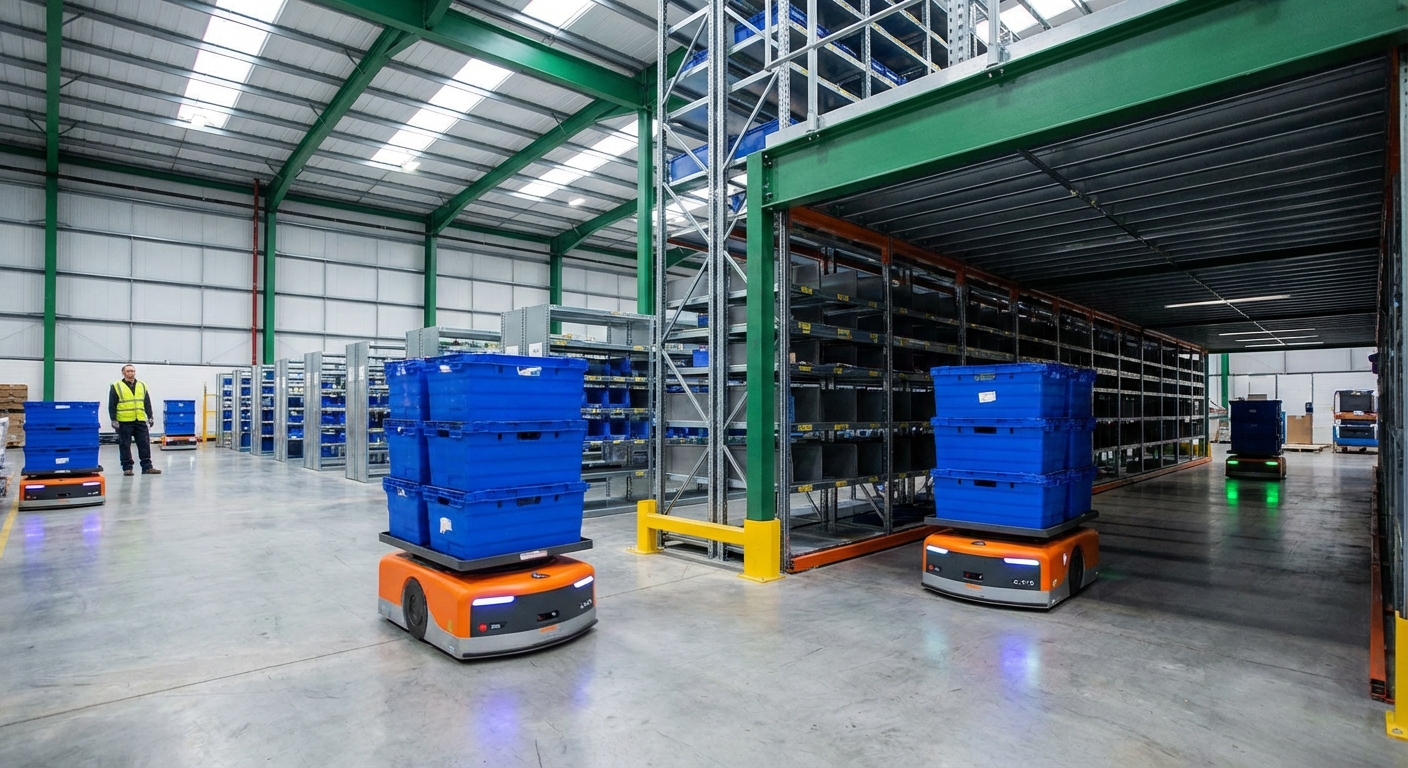
Warehouse AMR Robots in Ireland: Logistics Automation Guide
How Irish warehouses and distribution centres are using autonomous mobile robots (AMRs) to boost picking efficiency by 200%+. Complete guide to warehouse robot rental in Dublin.
Warehouse Automation with AMRs in Ireland
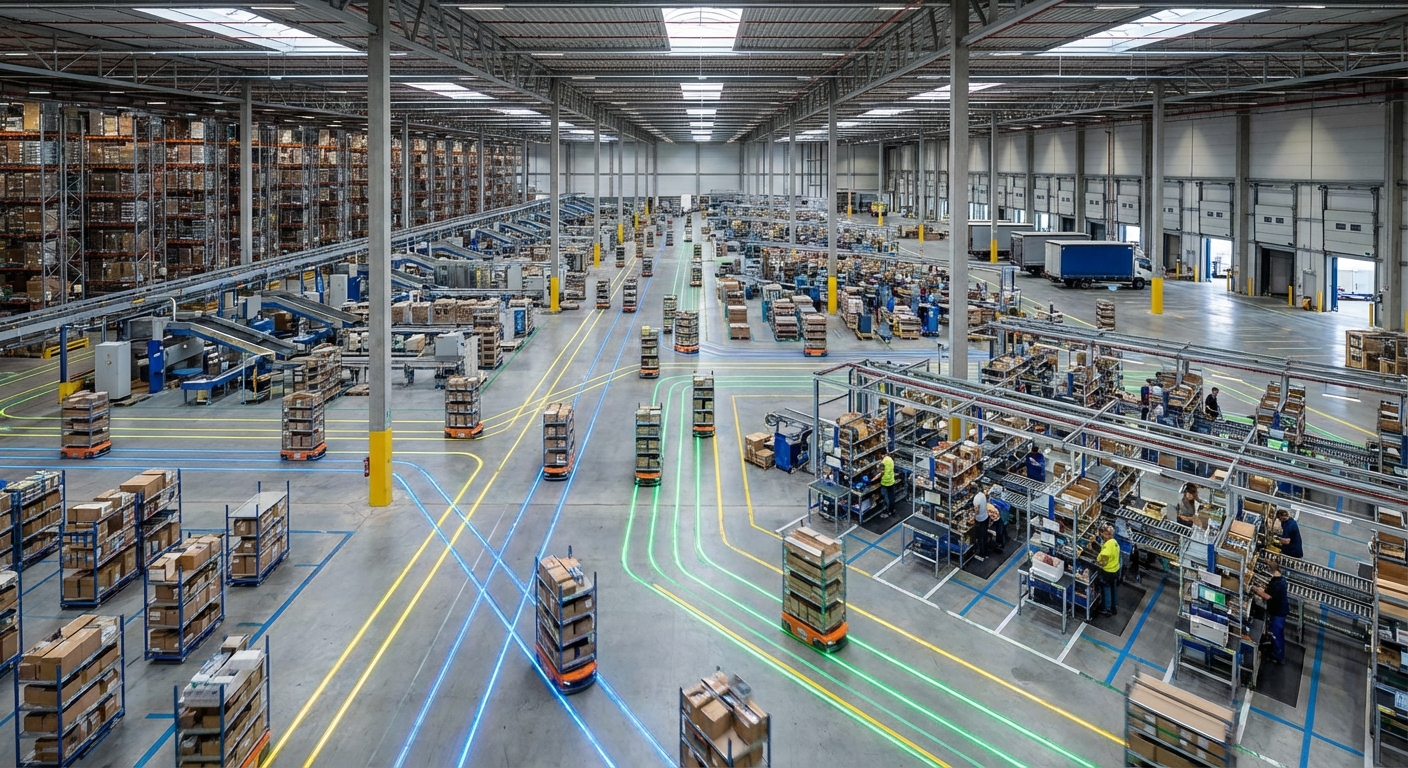
Ireland's logistics sector is experiencing unprecedented demand. E-commerce growth, pharmaceutical distribution, and supply chain complexity are pushing warehouses to their limits. Autonomous Mobile Robots (AMRs) offer a solution.
What are AMRs?
AMRs are intelligent robots that navigate warehouses autonomously, without fixed guides or tracks. They use sensors, cameras, and AI to: - Transport goods between locations - Assist pickers by bringing shelves to them - Move pallets and heavy loads - Sort and consolidate orders
Irish Warehouse Robot Market:
Ireland has over 500 large warehouses and distribution centres, with concentrations around: - Dublin Port and Airport - Cork Harbour - Limerick/Shannon region - Midlands distribution hubs
AMR Rental Costs in Ireland:
| Robot Type | Monthly Rate | Payload | Best For |
|---|---|---|---|
| Goods-to-Person | €3,000-5,000 | 50-100kg | E-commerce, small parts |
| Pallet Mover | €4,000-7,000 | 500-1,500kg | Heavy goods, pallets |
| Sorting Robot | €3,500-6,000 | 30-50kg | Order consolidation |
| Inventory Scanner | €2,500-4,000 | N/A | Stock counting |
Rental often makes more sense than purchase for Irish warehouses due to flexibility, no maintenance burden, and ability to scale for peak seasons.
Benefits of Warehouse Robots for Irish Businesses
1. Dramatic Productivity Gains
Traditional picking: 60-80 units per hour per picker With AMRs: 200-300 units per hour per picker
AMRs eliminate 70% of picker walking time. Instead of walking to products, products come to the picker.
2. Address Labour Shortages
Ireland's logistics sector faces persistent labour shortages, especially for: - Night shift workers - Peak season temporary staff - Physically demanding roles
Robots don't call in sick, don't need breaks, and work 24/7.
3. Reduce Picking Errors
Human picking error rate: 1-3% Robot-assisted picking error rate: 0.1-0.5%
AMRs with pick-to-light systems and barcode verification virtually eliminate mispicks.
4. Scale for Peak Seasons
Black Friday, Christmas, back-to-school - peak seasons strain Irish warehouses. With robot rental: - Add robots for peak periods - Return when volumes normalise - No permanent staff increase - No equipment depreciation
5. Improve Worker Safety
Warehouse injuries cost Irish businesses millions annually. Robots: - Handle heavy lifting - Reduce repetitive strain injuries - Eliminate forklift accidents - Work in hazardous conditions (cold storage, chemicals)
6. Real-Time Visibility
Every AMR provides data on: - Inventory levels and locations - Picking productivity - Robot utilisation - Bottleneck identification
Types of Warehouse Robots Available in Ireland
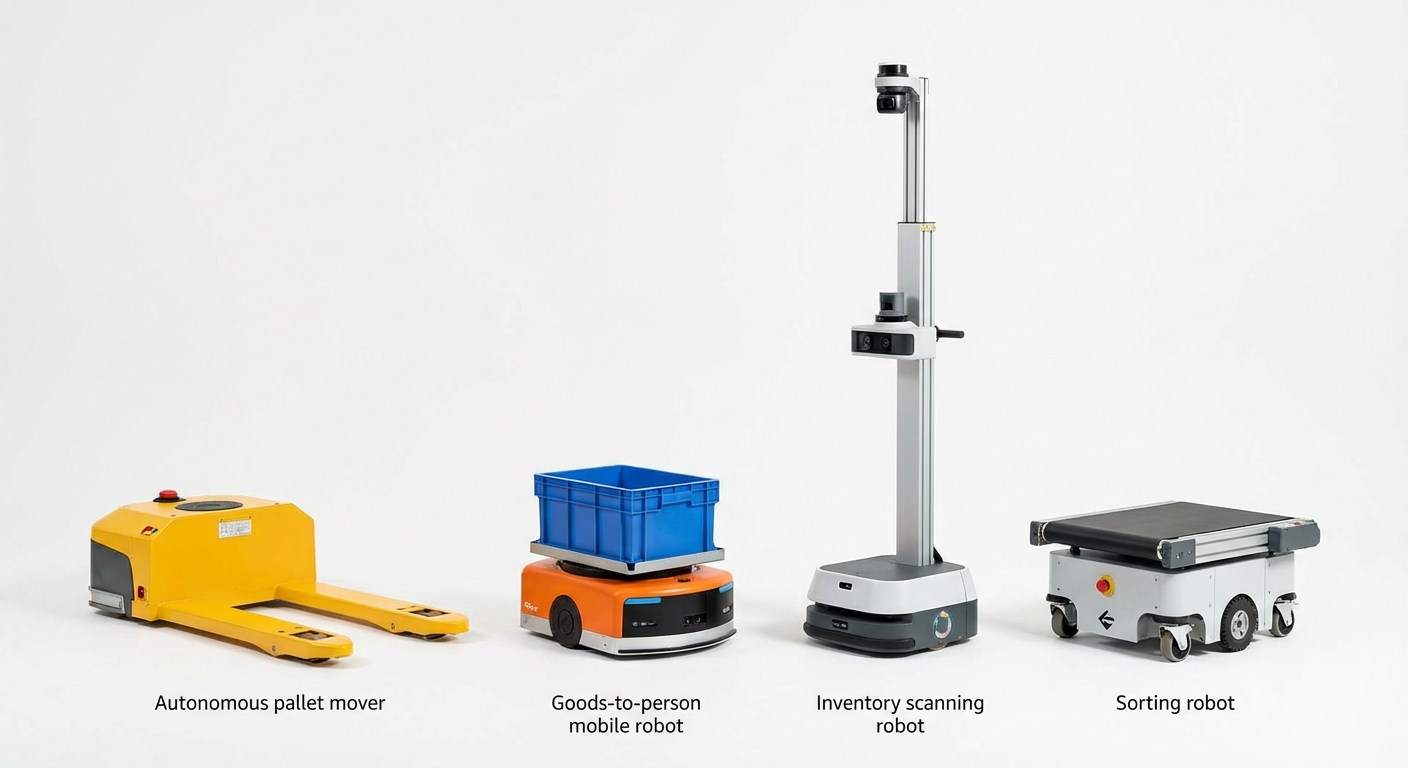
1. Goods-to-Person Robots
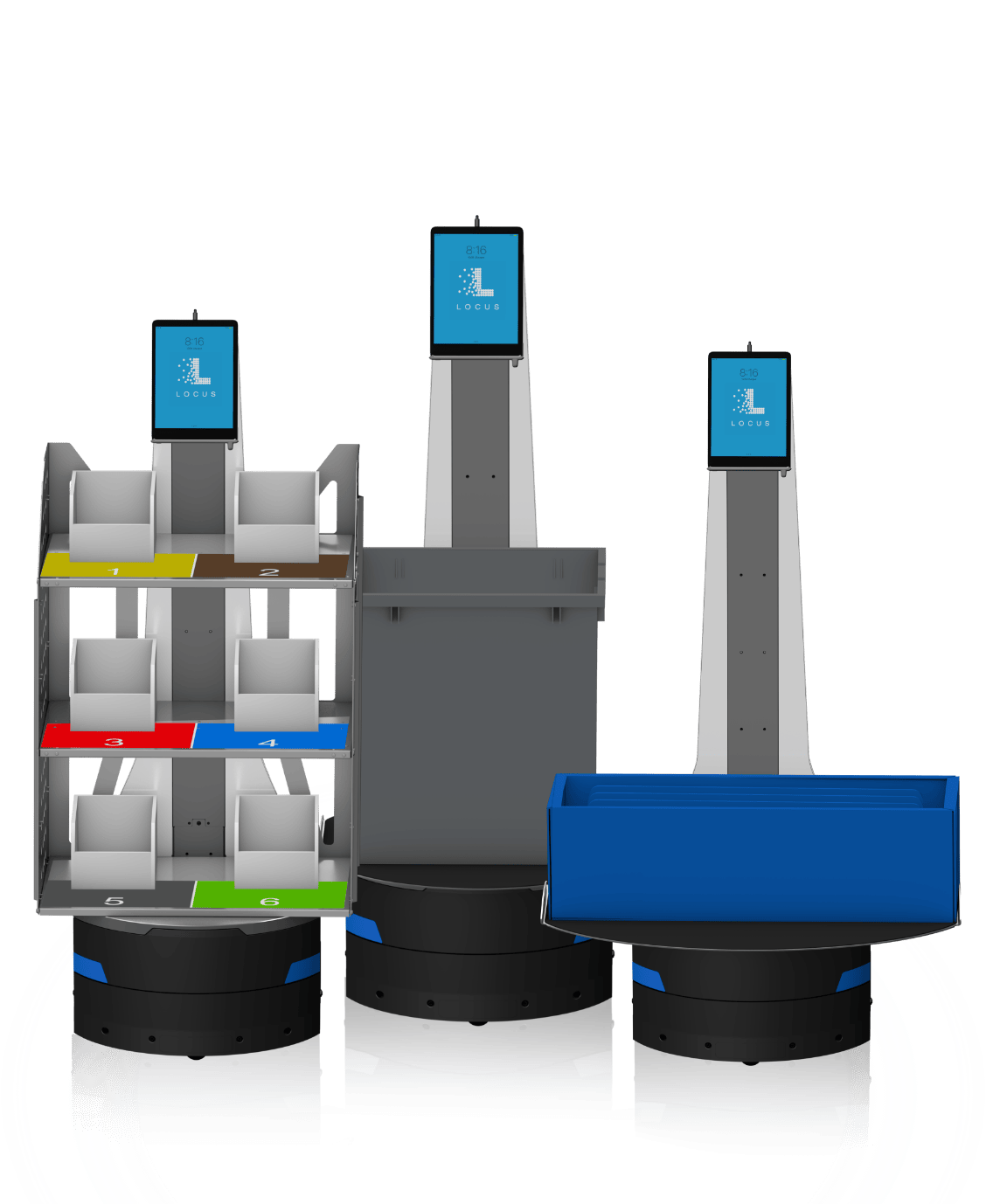
These robots bring inventory shelves directly to picking stations:
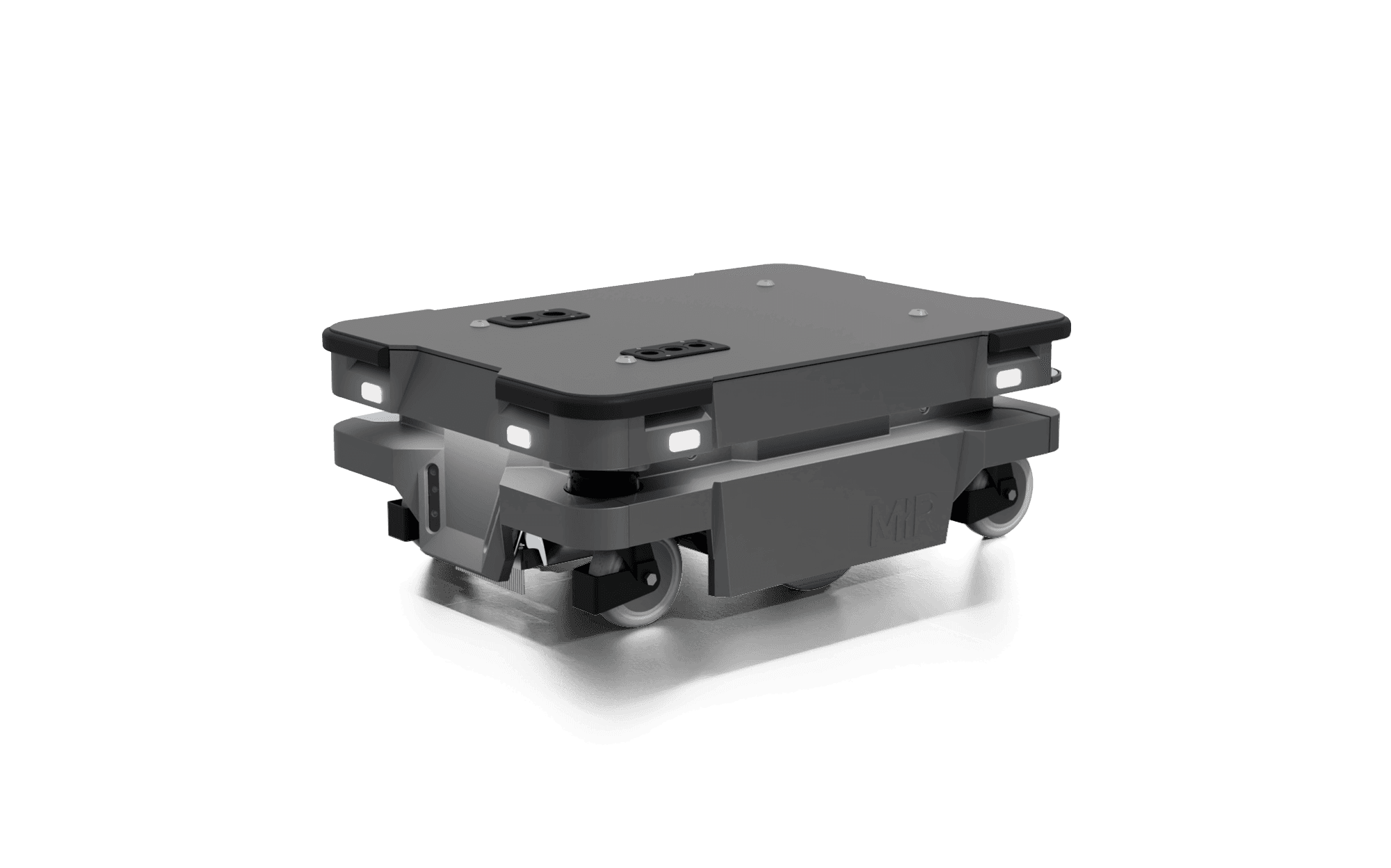
- How they work: Robot drives under a mobile shelf unit, lifts it, and brings it to a picker
- Best for: E-commerce, small parts, high-SKU operations
- Example: MiR250 combined with shelf systems
Typical deployment: 5-20 robots per picking station, depending on throughput requirements.
2. Person-to-Goods (Follow Me) Robots
Robots follow pickers through the warehouse:
- How they work: Picker selects orders, robot follows and carries picked items
- Best for: Large items, existing warehouse layouts
- Example: Collaborative picking robots
Reduces picker walking by 50%+ while maintaining flexibility.
3. Autonomous Pallet Movers
Robots that transport pallets without human operators:
- How they work: Robot slides under pallet, lifts, and transports to destination
- Best for: Repetitive pallet movements, staging areas
- Capacity: 500-1,500kg typically
Replaces manual pallet jacks and some forklift operations.
4. Sorting Robots
Automated order consolidation:
- How they work: Robot carries tote to correct sorting destination, deposits item
- Best for: Multi-carrier shipping, parcel sortation
- Speed: Up to 400 sorts per hour per robot
Popular with Irish 3PL providers handling multiple retailers.
5. Inventory Robots
Autonomous stock counting:
- How they work: Robot navigates aisles, scans barcodes/RFID tags, maps inventory
- Best for: Large warehouses, cycle counting, inventory accuracy
- Coverage: Can scan entire warehouse overnight
Eliminates annual shutdown for stock takes.
Warehouse Robot ROI Calculator
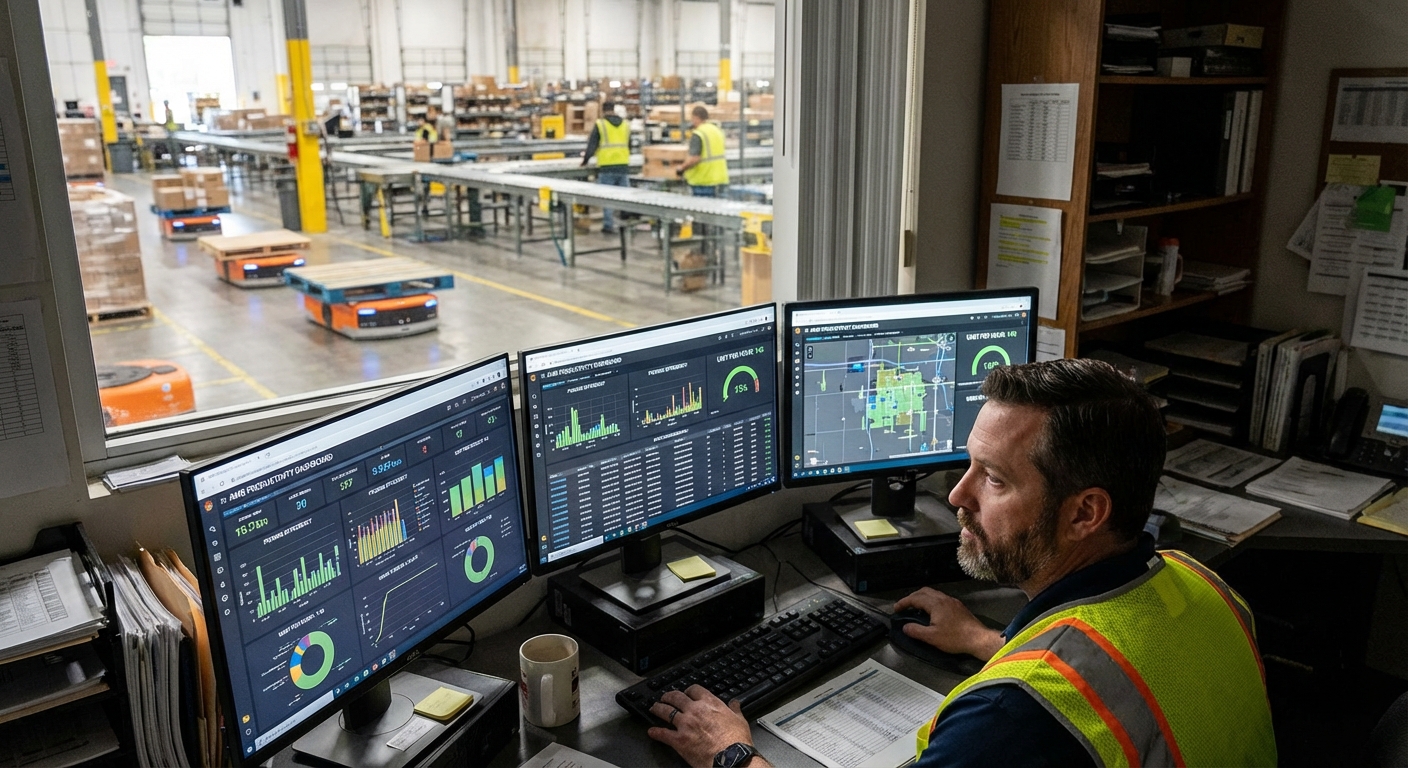
Calculate the potential return on investment for AMRs in your Irish warehouse:
Sample Calculation: 10,000m² Dublin Distribution Centre
Current Operation: - 20 pickers, 2 shifts - Average units picked per hour: 70 - Annual labour cost: €700,000 - Picking error rate: 2% - Cost per mispick: €15
With 10 AMR Robots: - Picker productivity increase: 150% - Units per hour per picker: 175 - Required pickers for same volume: 8 pickers - Staff reduction: 12 pickers (or same staff = 150% more throughput)
Financial Impact (Annual):
| Category | Current | With AMRs | Savings |
|---|---|---|---|
| Labour Cost | €700,000 | €280,000 | €420,000 |
| Robot Rental | €0 | €480,000 (10 × €4k/month) | -€480,000 |
| Error Costs | €50,000 | €5,000 | €45,000 |
| **Net Impact** | - | - | **-€15,000** |
*Wait, that's negative?*
This example shows break-even in year 1. But consider:
Hidden Savings Not Calculated: - Recruitment costs eliminated: €30,000+ - Training costs reduced: €15,000+ - Sick leave and absence: €25,000+ - Management overhead: €20,000+ - Peak season temp staff: €50,000+
Actual Net Savings: €125,000+ per year
Plus: no capital outlay, flexibility to scale, included maintenance.
When Robots Make Sense: - 5,000m²+ warehouse - 10+ pickers - High SKU count - E-commerce or multi-channel - Peak season variations
Implementing AMRs in Your Irish Warehouse
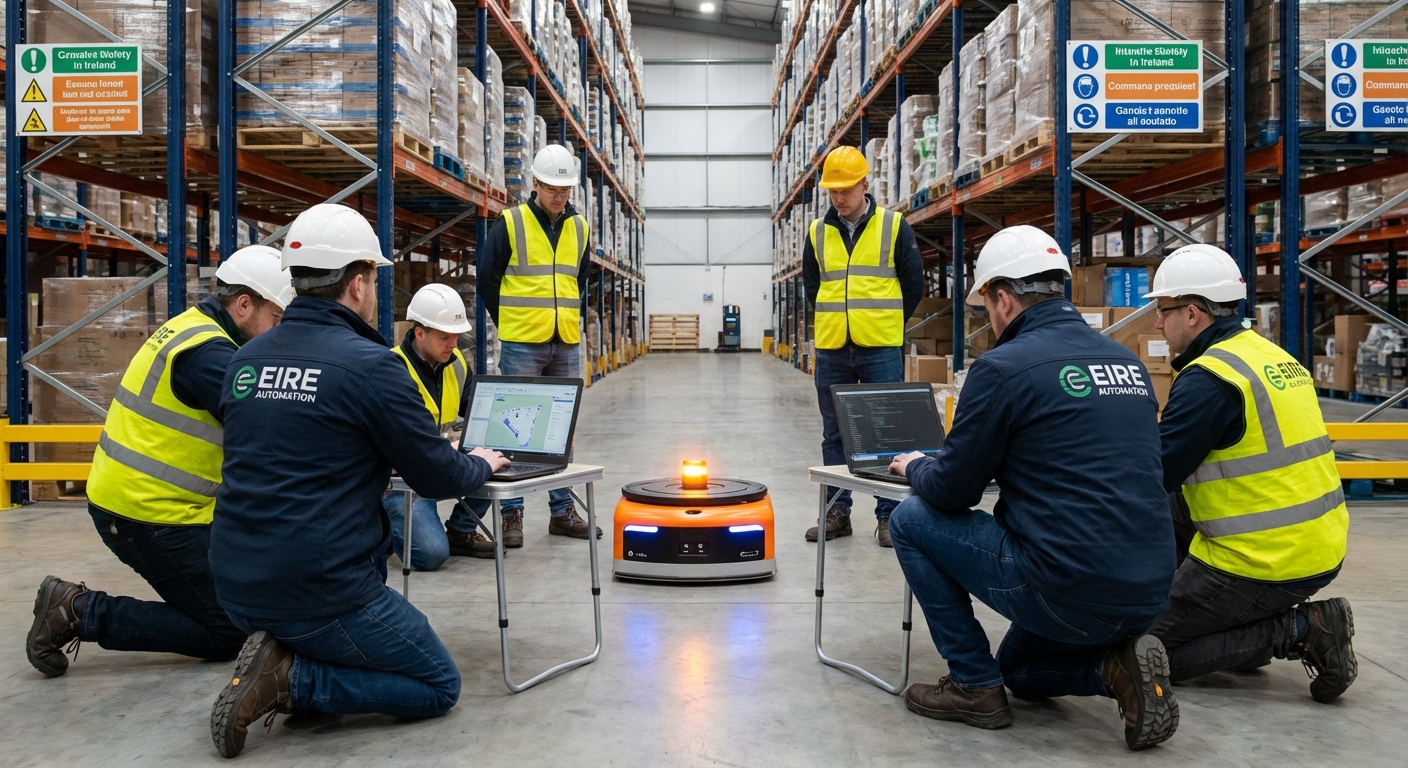
A phased approach ensures successful warehouse robot deployment:
Phase 1: Assessment and Planning (4-6 weeks)
- Site survey: Our engineers assess your warehouse layout, floors, WiFi coverage
- Process analysis: Identify best initial use cases for robots
- Integration planning: Connect robots to your WMS (Warehouse Management System)
- Staff engagement: Present plans to workforce, address concerns
Most Irish WMS platforms (SAP, Oracle, Manhattan, smaller Irish systems) are compatible.
Phase 2: Pilot Deployment (4-8 weeks)
- Start small: 2-5 robots in one zone
- Measure everything: Before/after productivity comparison
- Iterate: Adjust routes, charging locations, workflow
- Train thoroughly: Hands-on training for all shift supervisors
Typical pilot covers one picking zone or process.
Phase 3: Scale and Optimise (Ongoing)
- Add robots: Scale based on ROI from pilot
- Expand zones: Roll out to additional warehouse areas
- Advanced features: Implement sorting, inventory, pallet moving
- Continuous improvement: Monthly optimisation reviews
Timeline Summary: - Assessment to first robot: 6-8 weeks - Pilot completion: 14-16 weeks - Full deployment: 6-12 months (depending on scale)
What Rentabot.ie Provides: - Free initial assessment - Integration with your WMS - Floor marking and charging infrastructure guidance - Comprehensive staff training - 24/7 support with 4-hour SLA - Monthly performance reviews - Flexible scaling (add/remove robots monthly)
Frequently Asked Questions
Frequently Asked Questions
In This Guide
Related Categories
Related Guides
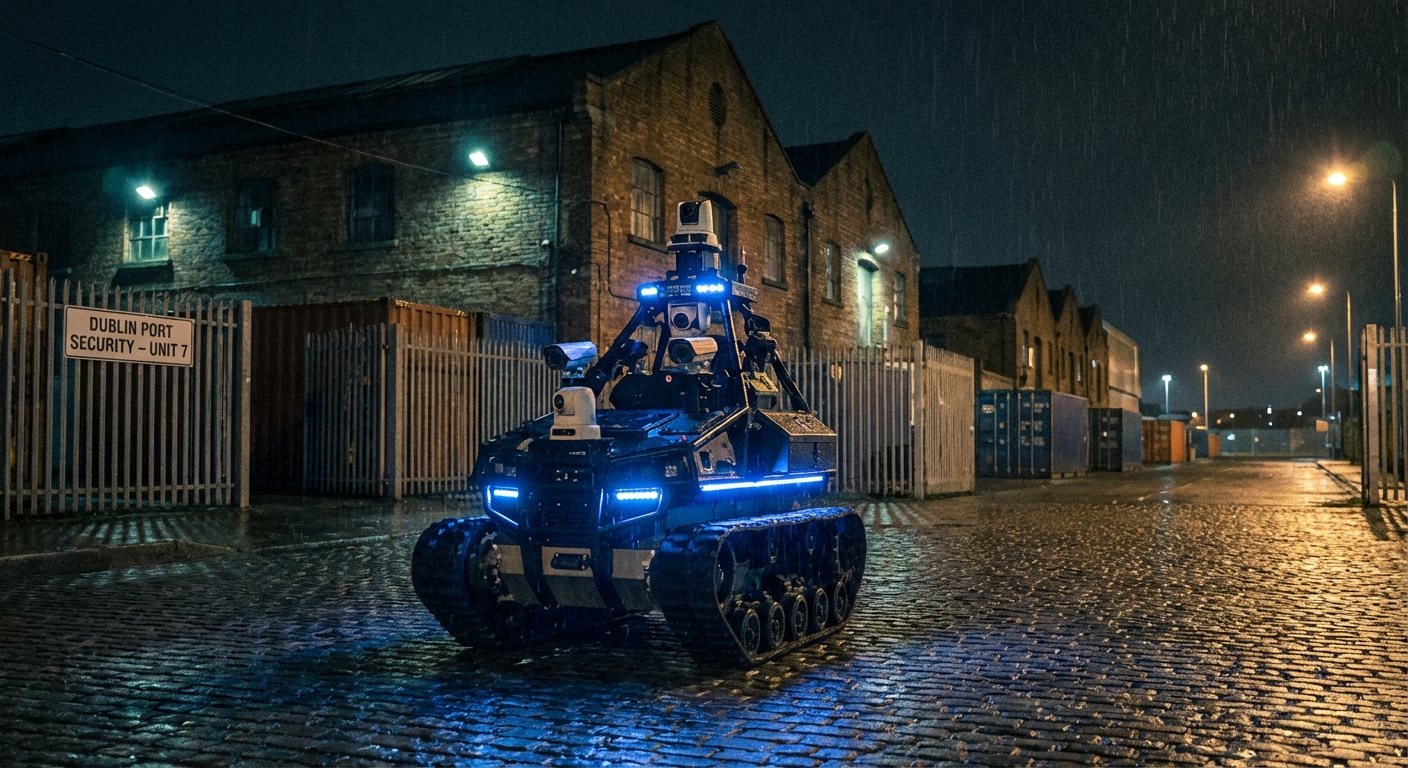
Security Robots in Ireland: Complete Guide for Businesses
Everything Irish businesses need to know about security patrol robots. Compare costs with traditional security guards, understand capabilities, and learn how to implement robotic security in Dublin and nationwide.
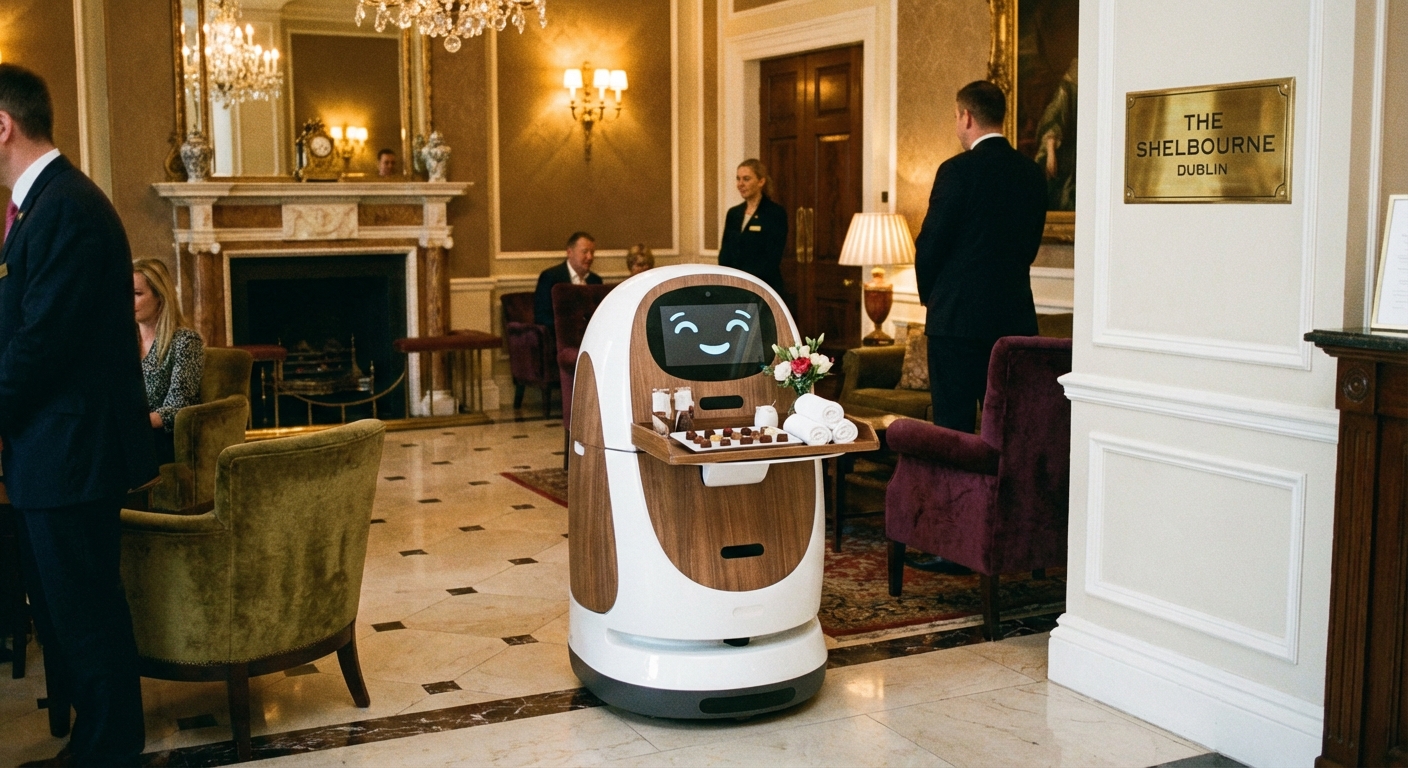
Hotel Robot Rental in Dublin and Ireland: Hospitality Automation Guide
How Irish hotels are using robots to improve guest experience and reduce costs. From room service delivery bots to lobby greeters, discover the ROI of hotel robotics in Dublin.
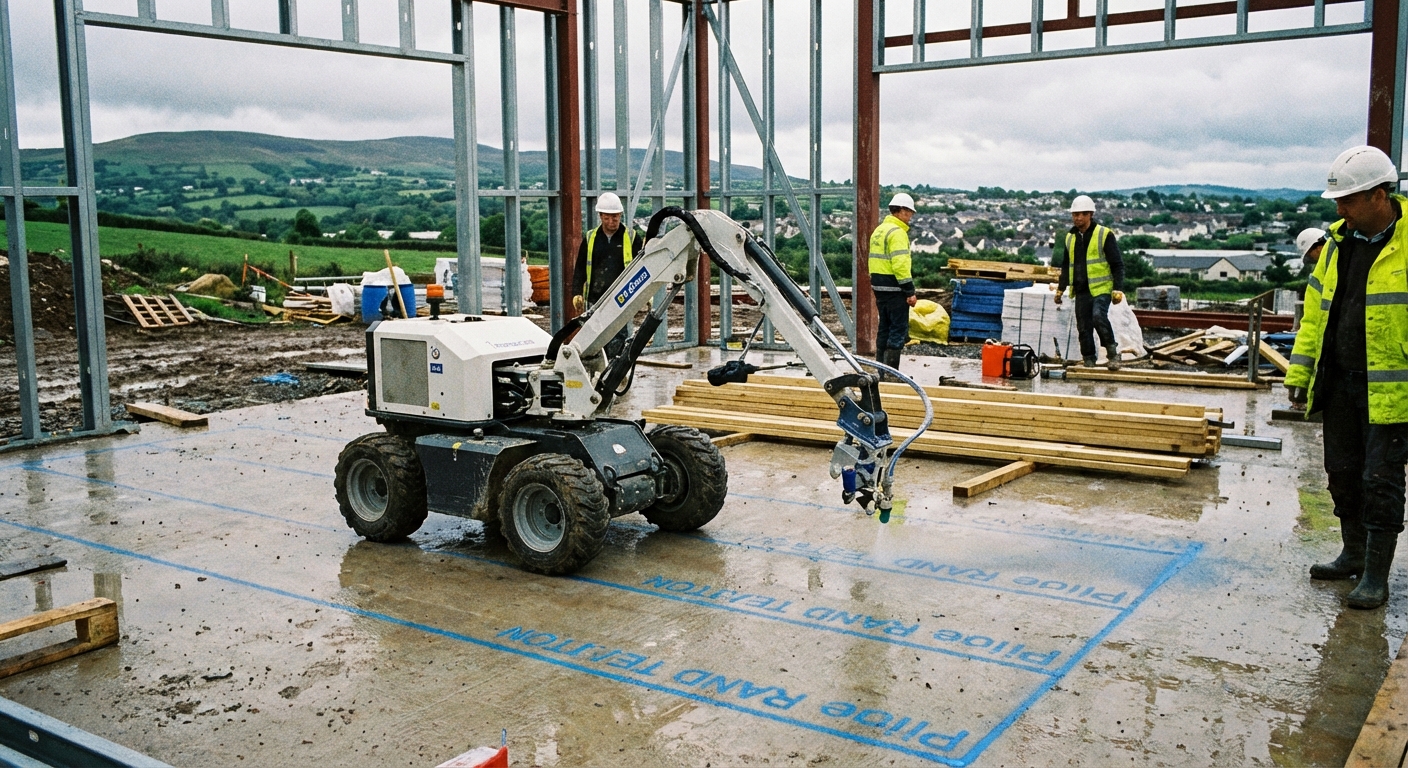
Construction Robots in Ireland: Complete Site Automation Guide
How Irish construction sites are using robots for layout, drilling, inspection, and surveying. Reduce rework costs by 90% with autonomous construction technology.