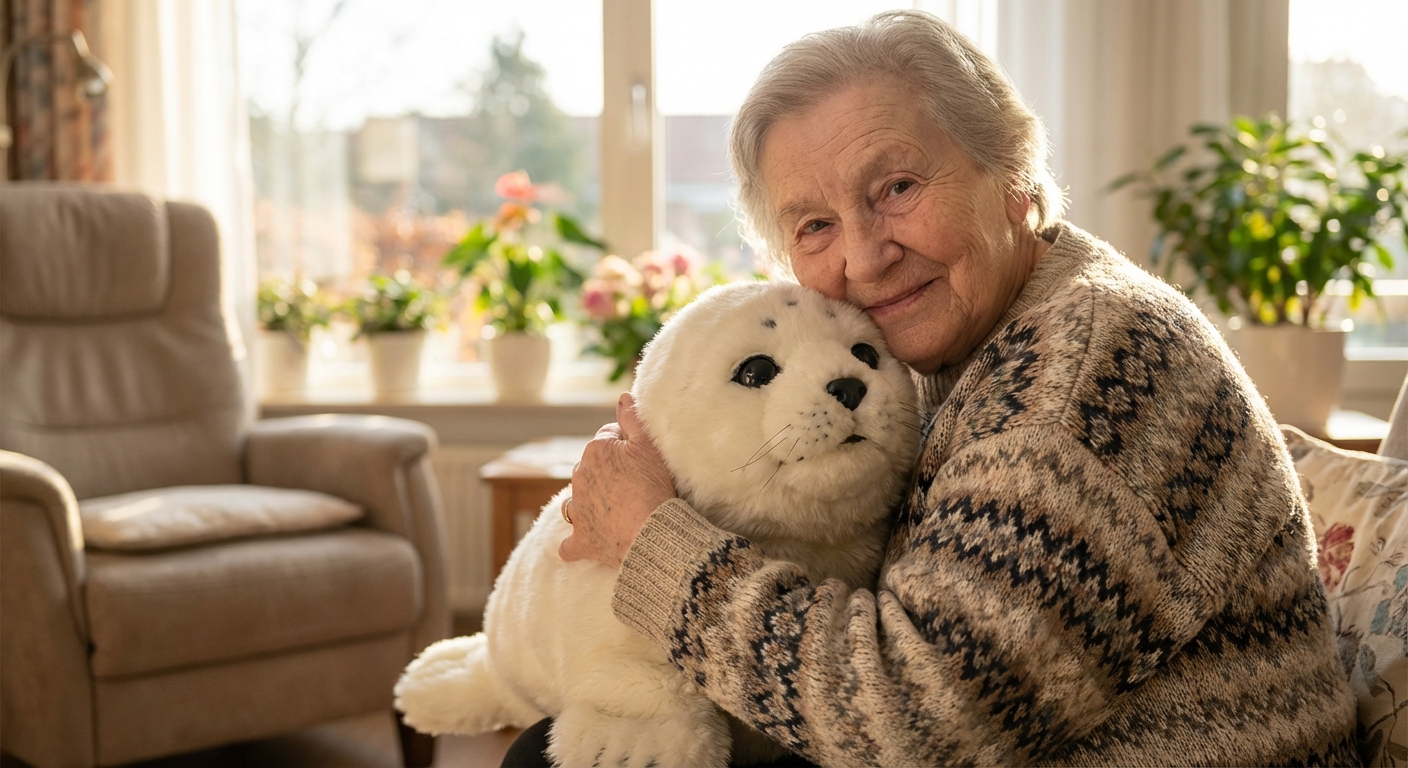
Robots for Care Homes in Ireland: Supporting Staff and Residents
How Irish care homes are using companion robots, UV disinfection, and delivery robots to improve quality of care. A practical guide for nursing home operators.
Robotics in Irish Care Homes
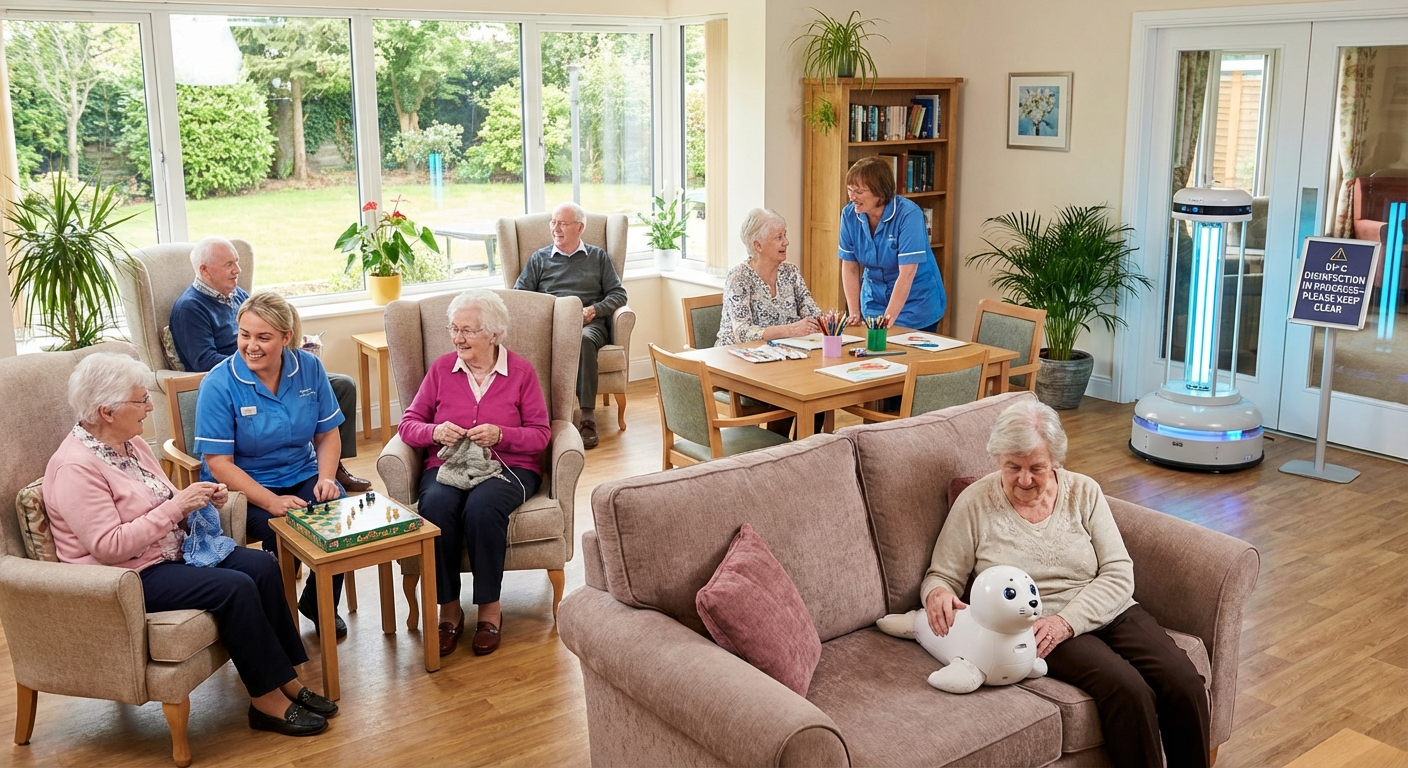
Ireland's care home sector faces significant challenges: staffing shortages, increasing resident complexity, and heightened infection control requirements. Robots offer practical solutions that support staff while improving resident quality of life.
The Irish Context:
- 576 registered nursing homes in Ireland (HIQA)
- Average occupancy: 90%+
- Staff vacancy rates: 15-25%
- Agency staff costs rising 30%+ since 2020
- Enhanced infection control requirements post-COVID
Robots Being Used in Irish Care Homes:
| Robot Type | Purpose | Monthly Rental |
|---|---|---|
| Companion Robot (PARO, Joy) | Dementia therapy, resident engagement | €1,500-3,000 |
| UV Disinfection Robot | Infection control, room turnover | €4,000-6,000 |
| Delivery Robot | Medication, meals, supplies | €4,000-7,000 |
| Telepresence Robot | Family connection, remote care | €2,000-4,000 |
Early adopters include care homes in Dublin, Cork, and Galway, with particularly strong interest from HSE-funded facilities and private nursing home groups.
Companion Robots for Dementia Care
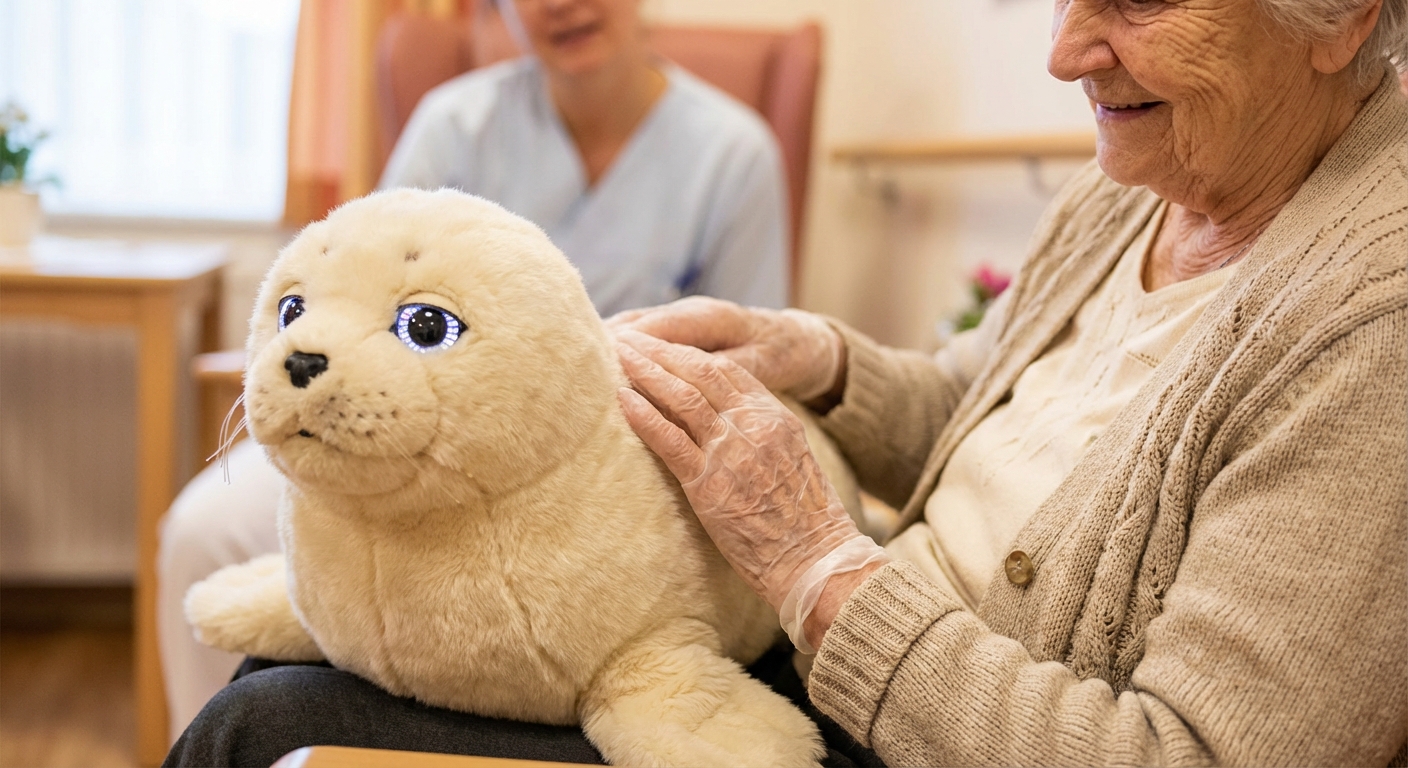
Companion robots provide therapeutic benefits for residents with dementia and cognitive impairment.
PARO Therapeutic Seal
The PARO seal is a medical device certified for dementia therapy:
- How it works: Responds to touch, voice, and light with lifelike movements
- Benefits: Reduces agitation, anxiety, and wandering behaviours
- Evidence: 15+ years of clinical research supporting effectiveness
- Use: Individual therapy sessions and group activities
PARO is used in care homes across 30+ countries and is increasingly common in Irish facilities.
Tombot Jennie
The Tombot Jennie robotic dog provides pet therapy benefits:
- How it works: Realistic golden labrador puppy behaviours
- Benefits: Comfort, companionship, reduced loneliness
- Advantage: No feeding, walking, or allergy concerns
- Use: Residents who respond better to dog companionship
ElliQ AI Companion
The ElliQ is a conversational AI companion:
- How it works: Proactive conversation, reminders, games
- Benefits: Reduces loneliness, cognitive stimulation
- Features: Connects to family via messages, prompts activity
- Use: Higher-functioning residents, especially those isolated
Research Evidence:
Studies show companion robots in care homes: - Reduce agitation episodes by 40-60% - Decrease PRN medication use - Improve staff-resident interactions - Provide consistent stimulation when staff are busy
Operational Robots for Care Homes
Beyond companion robots, operational robots address staffing and efficiency challenges:
UV Disinfection Robots
The UVD Robot provides hospital-grade disinfection:
- Use case: Room turnover, outbreak response, routine infection control
- Effectiveness: 99.99% elimination of bacteria, viruses, fungi
- Operation: Autonomous navigation, staff-free operation
- Benefit: Consistent disinfection, documented compliance
With CPE, MRSA, and other healthcare-associated infections a constant concern, UV robots provide peace of mind.
Delivery Robots
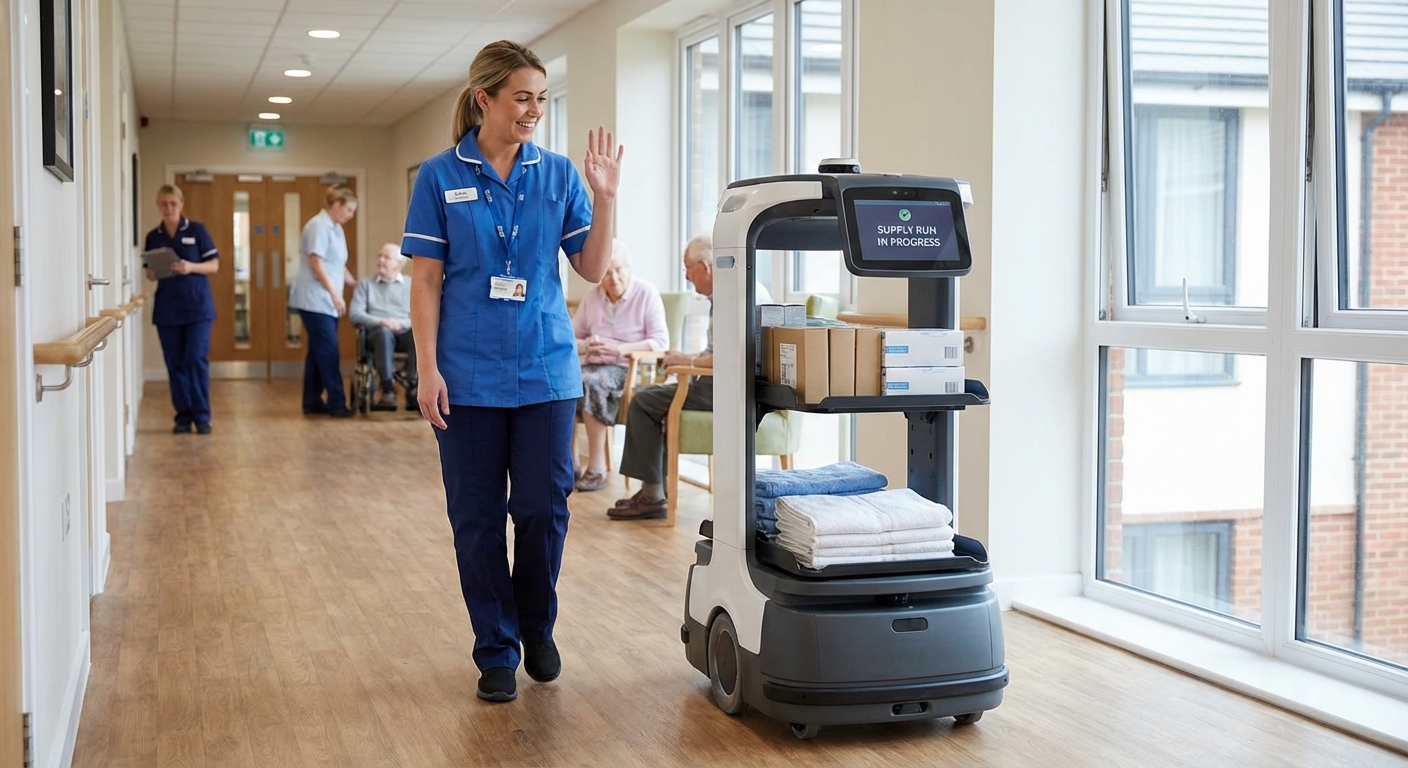
Delivery robots reduce staff walking time:
- Use case: Medication rounds, meal delivery, supply distribution
- Benefit: Staff spend more time with residents, less time walking corridors
- Operation: Autonomous navigation, multi-stop delivery routes
- Savings: Typical care home saves 2-3 hours of staff time daily
Telepresence Robots
Enable remote family connection:
- Use case: Family visits when travel is difficult
- Benefit: Residents connect with family more frequently
- Operation: Family controls robot from app, robot navigates to resident
- Added value: Also enables remote GP and specialist consultations
Cleaning Robots
Autonomous floor cleaning:
- Use case: Corridor and common area cleaning
- Benefit: Consistent cleanliness, freed housekeeping time
- Operation: Night-time cleaning, minimal disruption
- Types: Vacuum robots, floor scrubbers
Benefits of Robots for Irish Care Homes
For Residents:
- Improved wellbeing
- - Companion robots reduce loneliness and agitation
- - More consistent care through operational efficiencies
- - Enhanced infection control for safety
- Increased engagement
- - Robots provide novel stimulation
- - Group activities with robot companions
- - Technology exposure for cognitively able residents
- Better family connection
- - Telepresence enables more frequent "visits"
- - Families reassured by infection control measures
- - Photo and video sharing capabilities
For Staff:
- Reduced workload
- - Delivery robots save walking time
- - Cleaning robots handle routine tasks
- - More time for meaningful resident interaction
- Less physical strain
- - Robots handle repetitive tasks
- - Reduced infection exposure with UV disinfection
- - Support for challenging behaviours with companion robots
- Job satisfaction
- - Focus on skilled care, not logistics
- - Modern, innovative workplace
- - Better resident outcomes
For Operators:
- Financial benefits
- - Reduced agency staff costs
- - Lower infection-related costs
- - Operational efficiencies
- Regulatory compliance
- - Documented disinfection records
- - Demonstrable innovation for HIQA inspections
- - Enhanced infection control measures
- Competitive advantage
- - Marketing differentiation
- - Family confidence
- - Staff recruitment appeal
Implementing Robots in Your Care Home
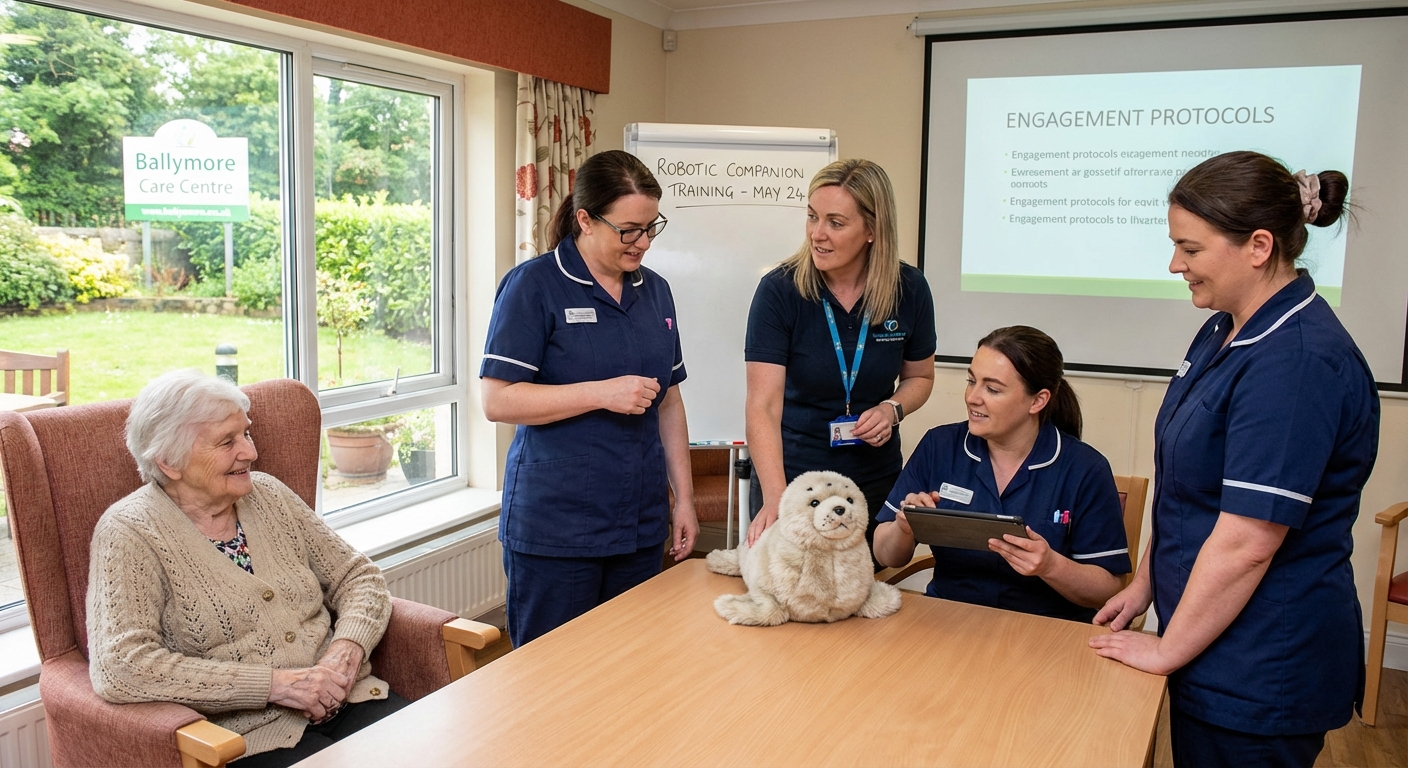
A thoughtful implementation ensures robots deliver maximum benefit:
Phase 1: Assessment and Planning (2-4 weeks)
- Needs analysis: Which challenges should robots address first?
- Resident suitability: Identify residents who would benefit from companion robots
- Staff consultation: Involve team early to build support
- HIQA considerations: Review regulatory requirements
- Family communication: Explain plans and gather feedback
Phase 2: Pilot (4-8 weeks)
- Start small: One robot, one application
- Document outcomes: Track resident wellbeing, staff time, incidents
- Gather feedback: Residents, families, and staff perspectives
- Adjust approach: Refine based on learnings
Phase 3: Expansion (Ongoing)
- Scale successful pilots: Add more units or robots
- Introduce additional applications: Try new robot types
- Continuous improvement: Regular review and optimisation
Training and Support:
We provide comprehensive training for: - Care staff: Day-to-day operation - Activities coordinators: Therapeutic use of companion robots - Management: Oversight and outcome tracking - Housekeeping: Operational robot management
Regulatory Considerations:
- HIQA inspectors are generally positive about appropriate robot use
- Document robot use in care plans
- Maintain staff-resident ratios (robots complement, not replace)
- Ensure resident consent/best interests decisions are recorded
Frequently Asked Questions
Frequently Asked Questions
Related Robots

PARO Therapeutic Seal
FDA-cleared robotic seal for dementia therapy - clinically proven to reduce agitation
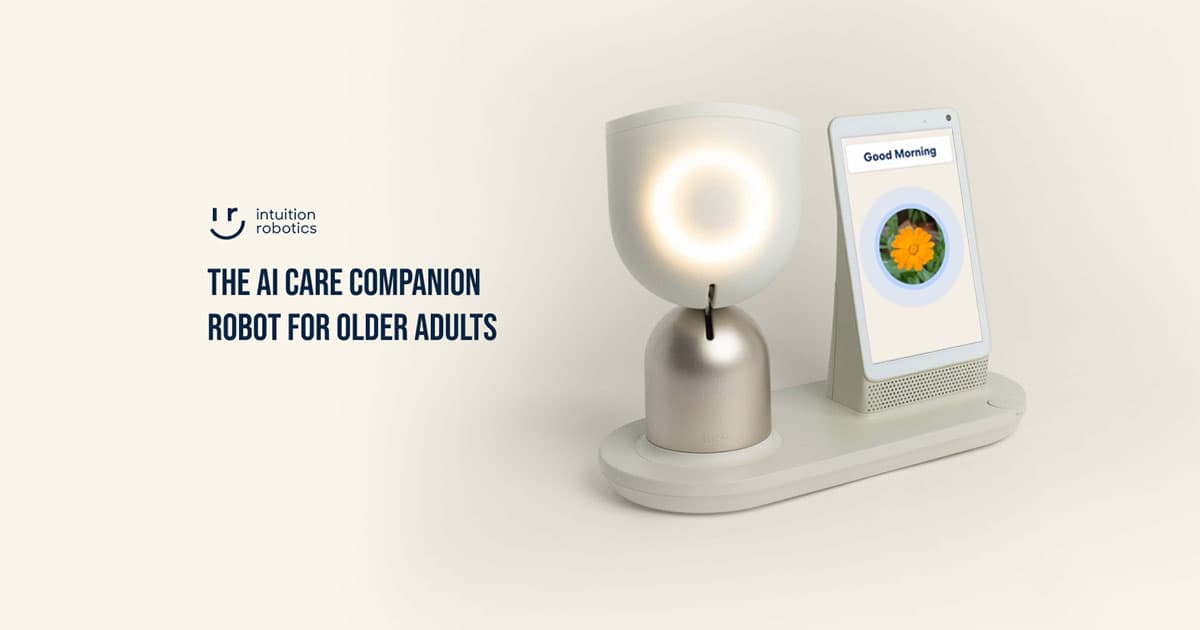
ElliQ
AI companion robot for older adults - remembers conversations and proactively engages
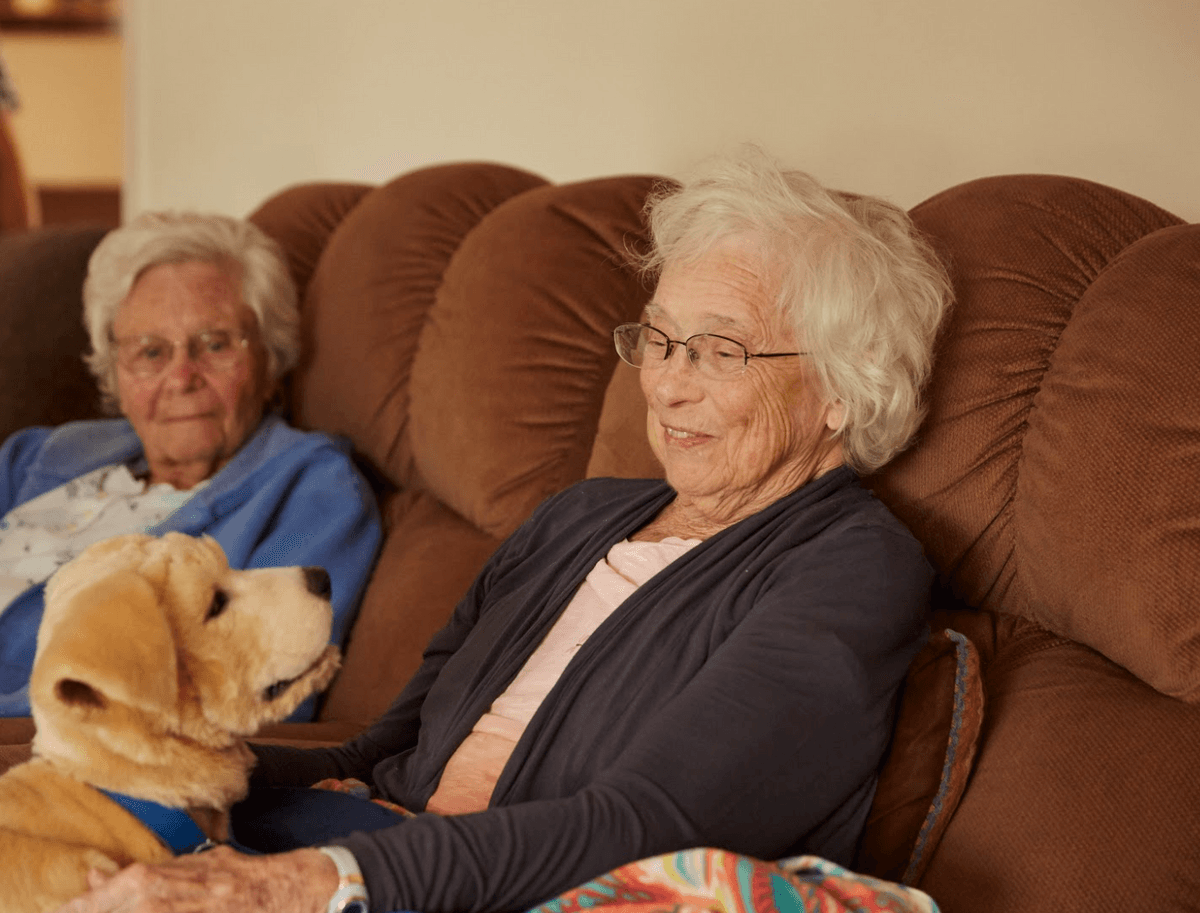
Tombot Jennie
Realistic robotic puppy companion for Alzheimer's and dementia care
In This Guide
Related Categories
Related Guides

Security Robots in Ireland: Complete Guide for Businesses
Everything Irish businesses need to know about security patrol robots. Compare costs with traditional security guards, understand capabilities, and learn how to implement robotic security in Dublin and nationwide.
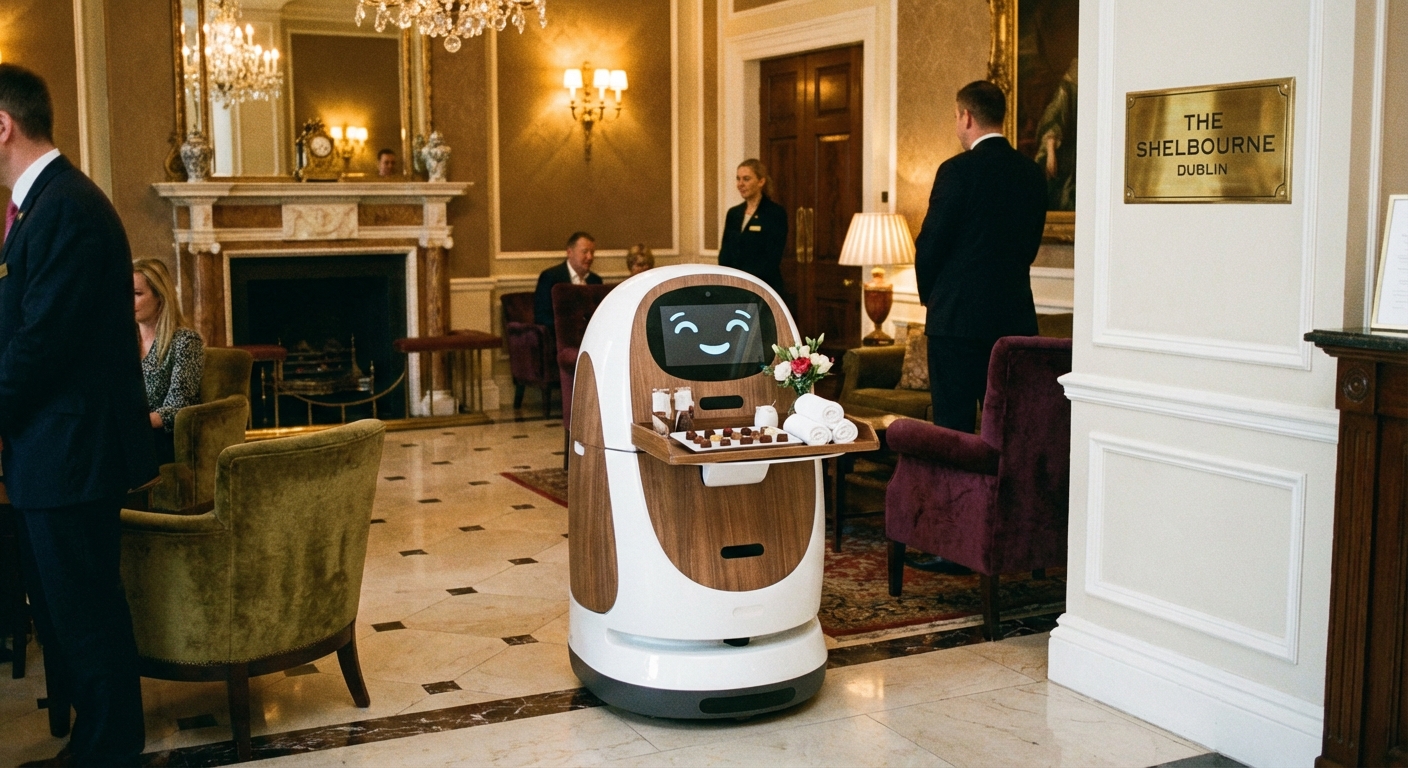
Hotel Robot Rental in Dublin and Ireland: Hospitality Automation Guide
How Irish hotels are using robots to improve guest experience and reduce costs. From room service delivery bots to lobby greeters, discover the ROI of hotel robotics in Dublin.
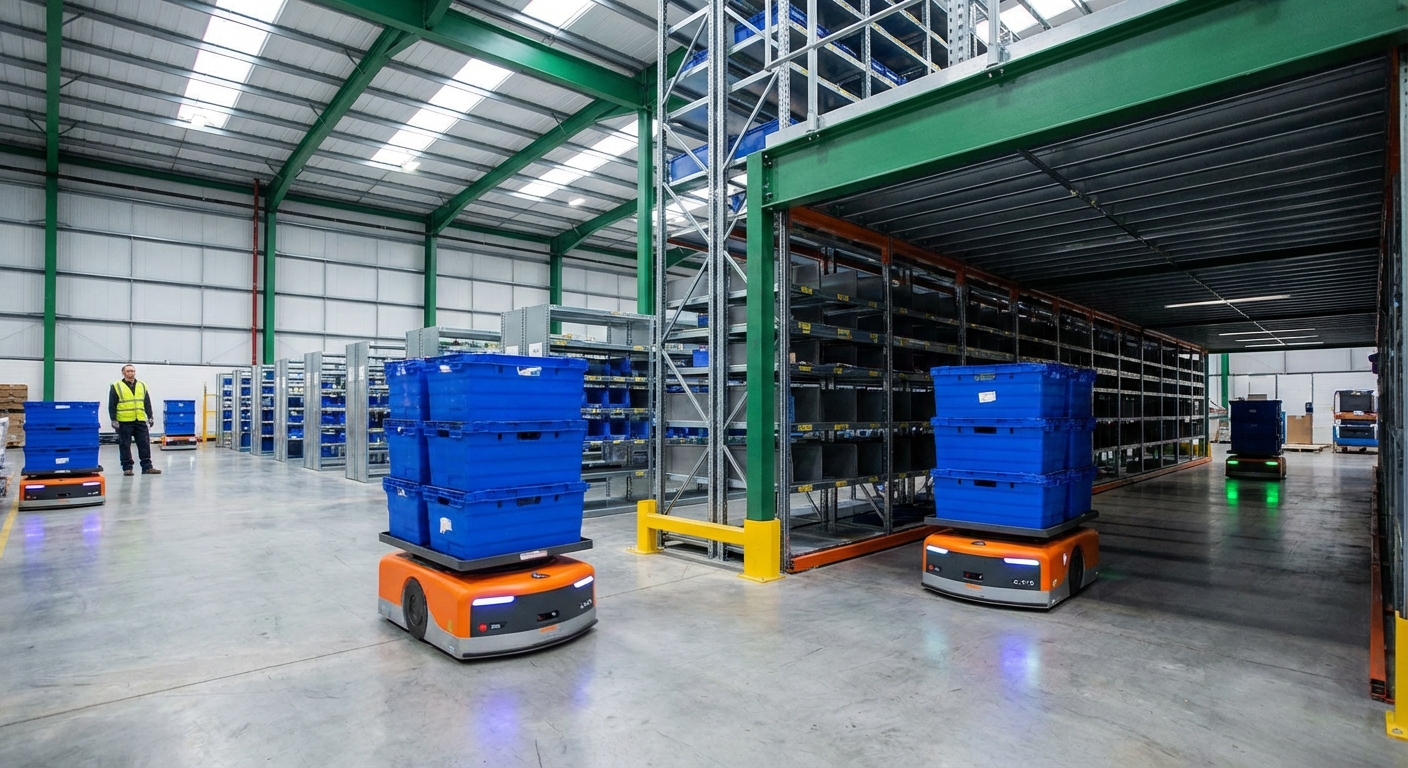
Warehouse AMR Robots in Ireland: Logistics Automation Guide
How Irish warehouses and distribution centres are using autonomous mobile robots (AMRs) to boost picking efficiency by 200%+. Complete guide to warehouse robot rental in Dublin.