Robotics in 2026: Trends Irish Businesses Should Know
Six verified trends from the latest IFR World Robotics figures, EU regulation and Irish support schemes, and what each one means in practice for an Irish business thinking about robots.
01
1. Factory robots keep growing, but not in Europe
The International Federation of Robotics (IFR) published its World Robotics 2026 figures in September 2026. Worldwide, factories installed more than 600,000 new industrial robots in 2025, up 11%, and the number in operation reached a record 5 million. The IFR expects installations to rise another 9% to 655,000 units in 2026.
The growth is concentrated in Asia, and China in particular. In the EU's larger markets, installations fell in 2025: Germany by 8%, Italy by 11%, France by 8% and Spain by 15%, according to the IFR.
What it means for Ireland: robots are becoming more common and the supply base is getting larger, which tends to push prices down and make more models available. A slowdown in European demand also means suppliers are keen to win smaller customers, including SMEs.
02
2. Service robots are growing faster
Robots outside the factory are growing faster than industrial ones. The IFR reported that shipments of professional service robots rose 24% to almost 250,000 units in 2025.
- Transport and logistics was the largest application, at 117,500 units, up 21% and 47% of the market.
- Hospitality came second, mostly mobile guidance robots, information points in public spaces and telepresence.
- Professional cleaning came third, with floor cleaning the main use.
The IFR notes its figures are based on a sample of suppliers and are not projected to the whole industry, so treat them as direction rather than precise totals.
What it means for Ireland: the robots most likely to be useful to an Irish hotel, restaurant, office or warehouse are the ones selling fastest: delivery, cleaning and guidance robots. Our comparisons of delivery robots, cleaning robots and reception robots are a good starting point.
03
3. Paying for robots as a service
More businesses are paying for robots by the month instead of buying them. The IFR says robots as a service (RaaS) continued to grow in popularity in 2025, and that in the US it is already the dominant business model, although traditional sales are still the main channel worldwide.
What it means for Ireland: you do not have to commit to a large purchase to find out whether a robot works for you. Renting, short trials and service contracts lower the risk. Our guide to renting versus buying robots sets out when each makes sense. Rentabot rents a small fleet of its own robots in Dublin and can source other rental units through reseller partners case by case.
04
4. Humanoids: real, early and expensive
Humanoid robots are the most talked-about trend, and they are now counted. The IFR reported that about 7,000 full-size humanoids (above 140 cm) were sold worldwide in 2025. It also says most current applications remain specialised and often need human teleoperation, and that safety standards, training and maintenance costs and weak business cases in industry are holding adoption back.
What it means for Ireland: humanoids are worth a look for research, teaching and events, where a walking robot is itself the point. For everyday tasks, purpose-built robots remain the better buy. Our humanoid robots guide covers what the Unitree G1, R1, H1 and Booster K1 can do today.
05
5. New EU rules on machinery and AI
Two pieces of EU law are worth knowing about.
The Machinery Regulation (EU) 2023/1230 applies from 20 January 2027 and replaces the Machinery Directive. EU-OSHA notes it is designed to better cover newer technology, including autonomous mobile robots and AI that performs safety functions. Most of the obligations fall on manufacturers and importers, but buyers should check that robots placed on the market from 2027 comply.
The EU AI Act timetable has shifted. An amending regulation, the Digital Omnibus on AI, was published in the Official Journal on 24 July 2026. It moved the deadline for high-risk AI systems listed in Annex III to 2 December 2027, and for high-risk AI embedded in regulated products to 2 August 2028.
Alongside these, the main robot safety standard ISO 10218 was revised in 2025, bringing collaborative application requirements into the core standard.
What it means for Ireland: for most businesses renting or buying a service robot, the practical duties stay the same: a risk assessment, as the HSA expects for any machinery, and data protection care for robots with cameras. Ask suppliers how their products will comply from 2027.
06
6. More help for Irish SMEs
Ireland has a set of supports aimed at helping companies adopt digital and automation technology:
- Enterprise Ireland's Digital Process Innovation grant covers up to 50% of eligible costs for projects that introduce new digital or automation methods. Its reference document names robotics and automation as examples.
- Four European Digital Innovation Hubs operate in Ireland. FactoryxChange, led by Irish Manufacturing Research, focuses on manufacturing, and ENTIRE, led by Tyndall National Institute, on IoT and sensors.
- Local Enterprise Offices run grants and programmes for smaller businesses.
What it means for Ireland: an automation project may be partly fundable, but rules are strict and you must apply before spending. Our robotics grants and funding guide explains what each scheme covers.
07
What this means for your business
Five practical steps for 2026 and 2027:
- Pick one problem, such as floor cleaning, plate running or a repetitive packing task, and measure what it costs now.
- Match it to a proven robot type. The fastest-growing service robot categories are fastest-growing because they work.
- Trial before you buy. Rent, borrow or run a short pilot.
- Check the rules early: risk assessment, data protection and, for purchases from 2027, Machinery Regulation compliance.
- Talk to the funding agencies before you commit any spend.
Not sure where to start? Try our robot quiz or contact us. We will get back to you promptly.
Questions
Frequently asked questions
Related
Robots mentioned in this guide
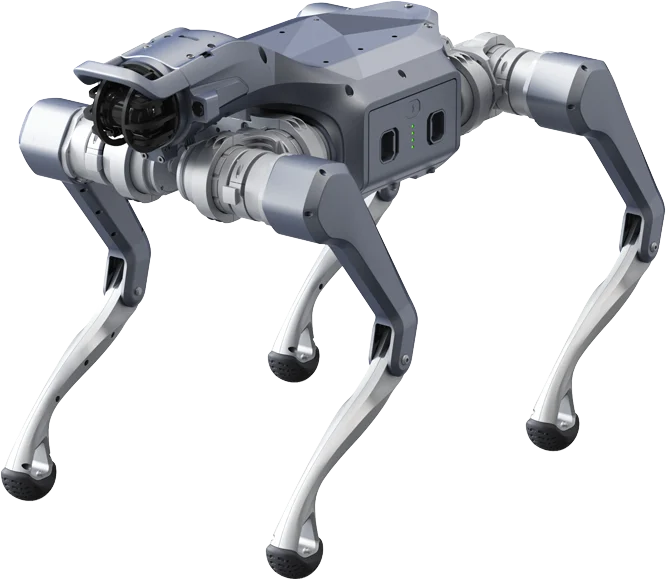
Unitree Go2 Pro
The robot dog that steals the show: runs, climbs, follows and performs tricks
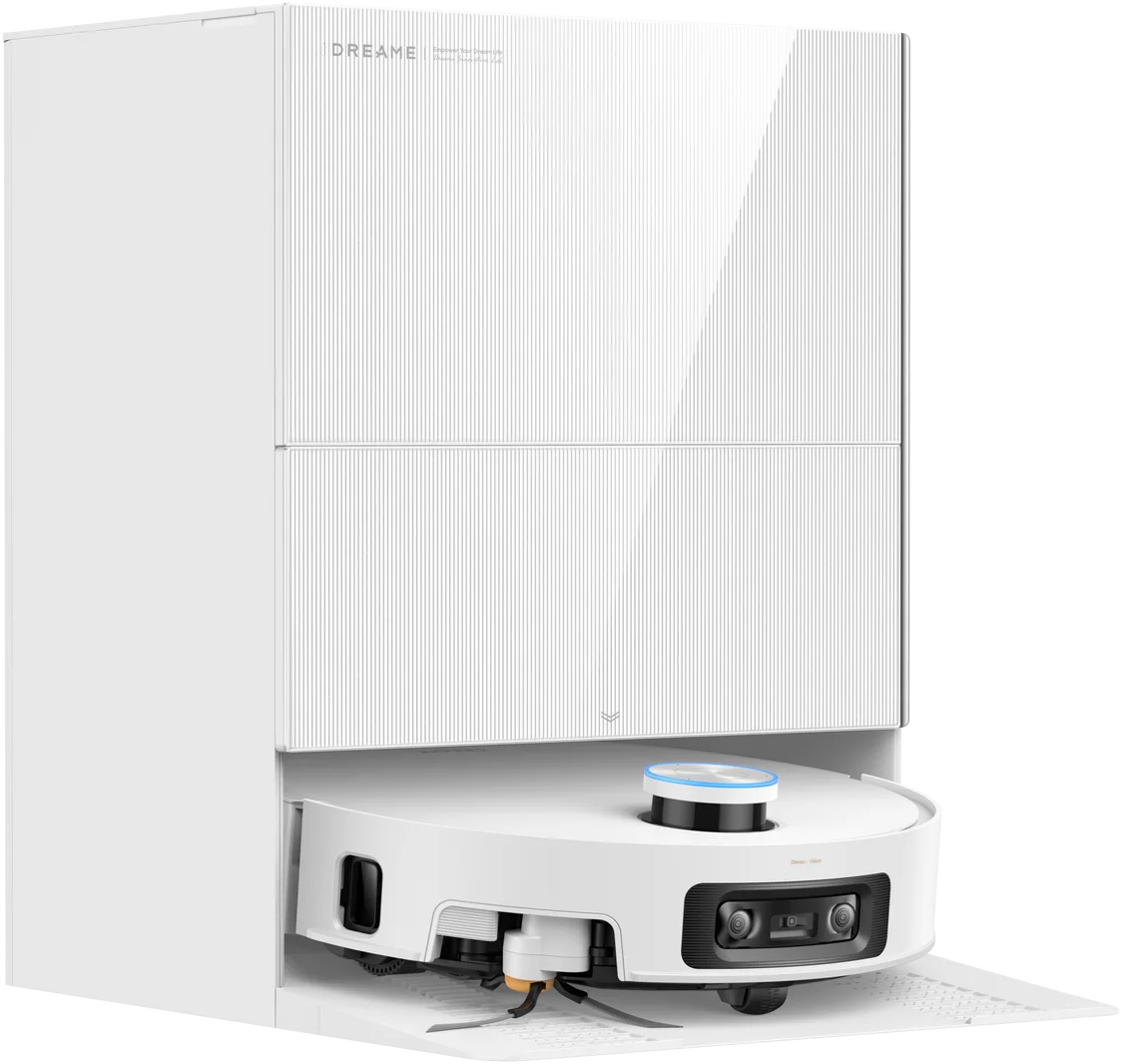
Dreame X60 Pro Ultra Complete
42,000Pa flagship robot vacuum and mop with an 18cm UltraExtend arm and 100°C self-cleaning dock
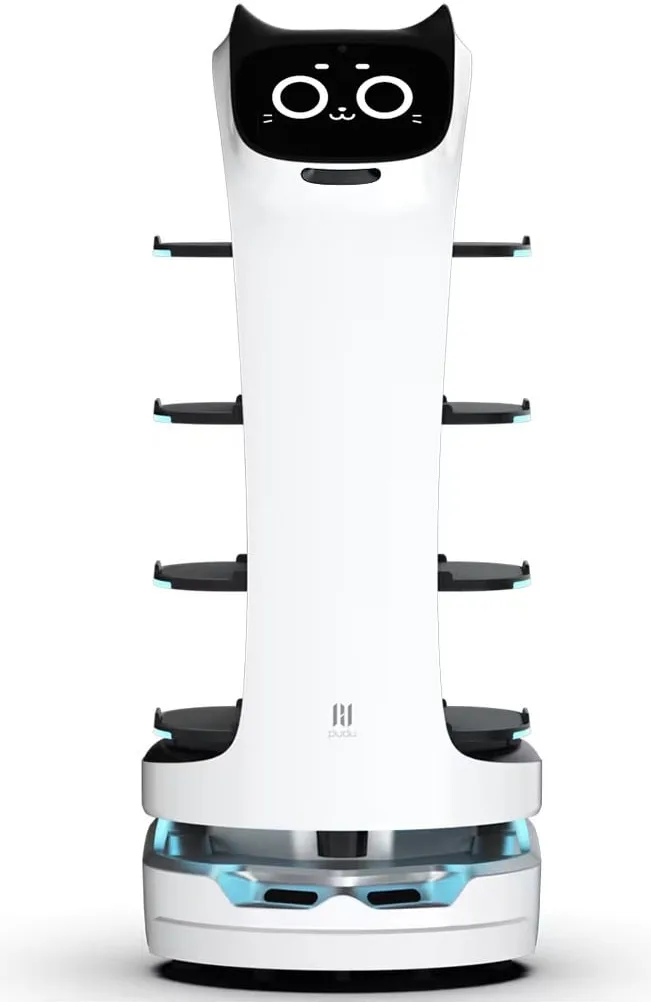
PUDU BellaBot range
Cat-faced delivery robot that carries up to 40 kg on four trays to tables and guests.
In this guide
Related categories
Related Guides
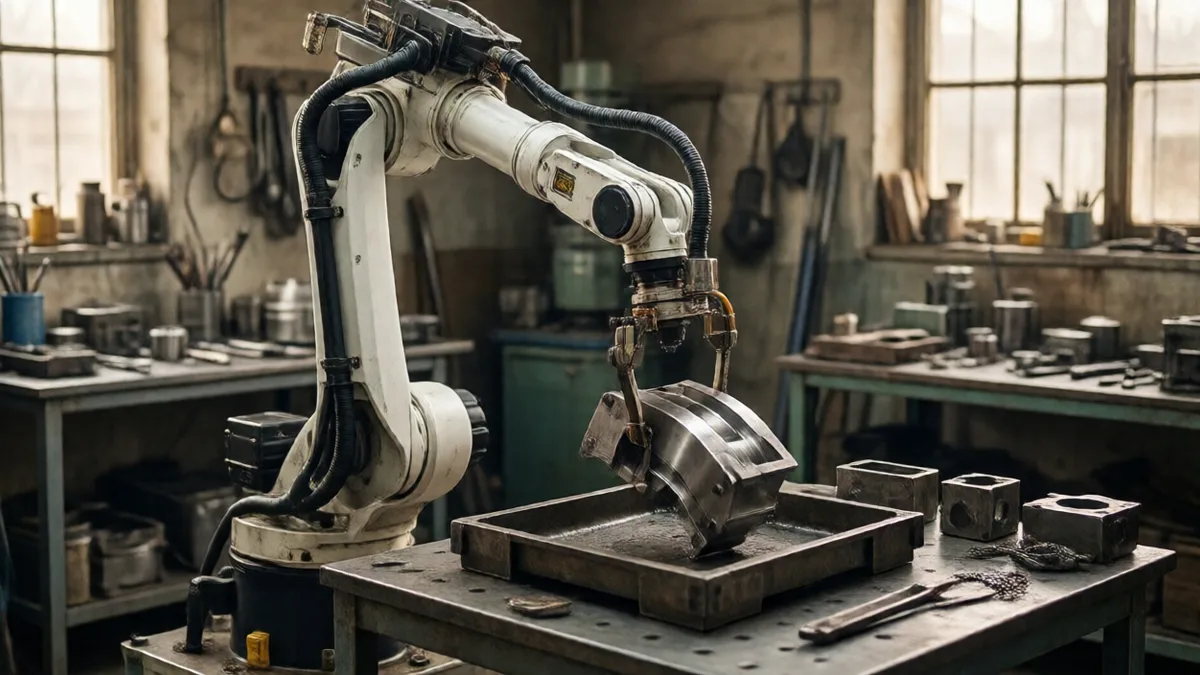
Cobots and Robot Arms for Irish SMEs and Schools
A practical guide to small robot arms for Irish manufacturers, workshops, colleges and schools: the Fairino FR3, FR5 and FR10 cobots and the Elephant Robotics myCobot range, what they cost, what a full project involves and how to keep it safe.

Grants and Funding to Help Irish Businesses Adopt Robotics
What Enterprise Ireland, Local Enterprise Offices and Ireland's Digital Innovation Hubs can and cannot fund when you want to bring in a robot, with verified rates, caps and eligibility rules, and how to prepare a strong application.
Renting vs Buying a Robot in Ireland: How to Decide
A practical framework for Irish businesses deciding whether to rent or buy a robot, how rental and purchase work with Rentabot, what drives cost, and the tax and safety points to check in 2026.