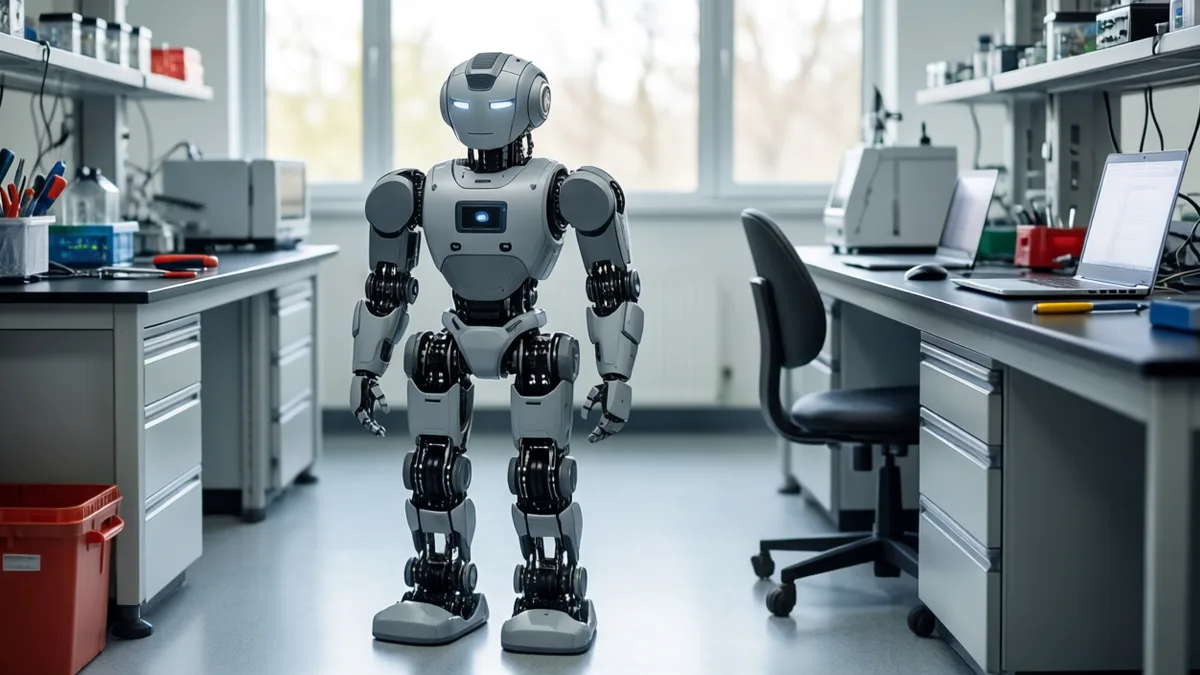
Humanoid Robots in Ireland: What They Can Really Do in 2026
A plain look at the humanoid robots you can actually get in Ireland in 2026: the Unitree G1, R1 and H1 and the Booster K1. What they are good for in research, teaching and events, and where the honest limits are.
01
Where humanoids really are in 2026
Humanoid robots get more attention than any other kind of robot right now. Videos of robots running, dancing and boxing travel fast. The working reality is more modest, and it helps to start there.
The International Federation of Robotics (IFR) reported in September 2026 that about 7,000 full-size humanoids (above 140 cm) were sold worldwide in 2025. For context, it counted almost 250,000 professional service robots shipped in the same year. The IFR also notes that most current humanoid applications are specialised and often need a person operating the robot remotely.
The IFR's 2025 position paper on humanoids makes a similar point: humanoids are expected to complement the robots already on the market, not replace them, and mass adoption as general household helpers is not expected in the near or medium term.
So where do humanoids make sense in Ireland today? In three places: research labs, classrooms and lecture halls, and events where a walking robot is the attraction. If you need a robot to do a specific job every day, such as cleaning a floor or carrying plates, a purpose-built robot will nearly always do it better and for less money.
02
The models available, side by side
These are the humanoids on our site. All figures come from the manufacturers' published specifications. Prices are purchase guide prices (USD, excluding tax and shipping, from Robots International).
| Model | Height | Weight | Joints | Battery life | Guide price from |
|---|---|---|---|---|---|
| Booster K1 | About 95 cm | About 19.5 kg | 22 | About 20 min (GEEK) to 70 min (EDU, Professional) walking | $7,500 |
| Unitree R1 | About 1.23 m | About 29 kg | 26 | About 1 h | $9,990 |
| Unitree G1 | 1.32 m | About 35 kg | 23 (Basic), more on EDU versions | About 2 h | $19,995 |
| Unitree H1 | About 1.8 m | About 47 kg | 5 per leg, 4 per arm | Quick-swap 864 Wh pack | $94,905 |
A few points the table does not show:
- Basic versus EDU matters. The G1 Basic and R1 Basic are aimed at demonstrations and do not support secondary development. If you want to write your own code, you need an EDU version. The G1 EDU range starts at $41,750 and the R1 EDU range at $15,950 (USD, excluding tax and shipping, from Robots International).
- The K1 editions share one body. The GEEK, EDU and Professional differ in computing power (48, 117 and 200 TOPS) and battery size. The GEEK's 20-minute walking time is a real constraint for a class or a show.
- The H1 is in a different league for size and price. It is a full adult-height research platform with a separate Intel Core i7 computer for user development.
03
What they do well
Research. For a university group working on balance, locomotion, perception or manipulation, a real humanoid is hard to replace with simulation alone. The G1 EDU versions add an NVIDIA Jetson Orin NX module, more joints and, at the top end, dexterous hands. The H1 offers full adult scale. The K1 supports ROS2 and Isaac Sim, which makes it easier to move code between simulation and the real robot.
Teaching. A humanoid makes abstract topics concrete: kinematics, control loops, sensors, AI. The K1 is small enough for one person to carry in its case, and the R1 EDU adds open access to joints and sensors with support for common simulation platforms. For younger students, a robot that walks and responds to voice is a strong hook for a STEM day. Our guide to STEM robots for Irish schools covers cheaper classroom options too.
Events. A walking, waving humanoid draws a crowd at a stand, a launch or an open day. The G1 folds down for transport and has quick-release batteries, so a spare pack keeps it going through a long day. The R1 has a built-in multimodal model, so it can react to speech and what it sees, which makes a meet-and-greet feel more natural. For big stages, the H1's height gives real presence.
04
The honest limits
Be clear on these before you commit budget:
- Battery life is short. Between about 20 minutes and 2 hours per pack depending on model. Plan spares and charging breaks for anything longer than a short demo.
- They do not do useful physical work yet. The G1 Basic and R1 are rated for an arm load of about 2 kg. None of these robots will stack shelves, clear tables or carry luggage in a way a business could rely on.
- Someone has to run them. At events, a trained handler usually drives the robot with a remote and keeps people at a safe distance. Unitree advises keeping a safe distance from the G1 while it moves, because it is powerful.
- Falls happen. Bipedal robots can lose balance on uneven floors, cables or when bumped. Choose flat, clear floor space and keep a barrier or a marked zone around the robot.
- "Autonomous" usually means "pre-programmed". Most impressive routines you see online are scripted motions, remote control or the result of a lot of development work. Out of the box, expect a demonstration platform, not a general-purpose assistant.
- Software skills are needed for the EDU versions. To get research or teaching value, you need people comfortable with Python, ROS2 or similar tools.
05
Choosing the right one
Start from the job, not the robot:
- A school or STEM club that wants students to program a humanoid: the Booster K1 EDU edition or an R1 EDU. Both are light enough to handle in a classroom. Avoid the K1 GEEK if lessons will involve a lot of walking, given its short battery.
- A university lab doing research on locomotion or manipulation: a G1 EDU version, choosing the joint count and hands the research needs. Consider the H1 only if full adult scale is part of the research question.
- An event or brand activation: the G1 for agility and crowd appeal, the R1 for voice interaction, or the H1 for a big stage moment. For many events, though, our in-fleet Unitree Go2 Pro robot dog gives a similar "wow" with less handling and a lower cost. See our robot dogs for business guide.
- A business hoping to automate a task: look at purpose-built robots first. Our guides to delivery robots and cleaning robots are a better starting point.
Not sure? Our robot quiz narrows the options in a couple of minutes.
06
Safety, data and insurance
Risk assessment. The Health and Safety Authority notes that the use of any machinery should be covered by a risk assessment under the Safety, Health and Welfare at Work Act 2005. For a humanoid at an event, that means a clear operating zone, a trained operator, a plan for falls and an emergency stop routine.
Machinery rules are changing. The EU Machinery Regulation (EU) 2023/1230 applies from 20 January 2027 and replaces the Machinery Directive. EU-OSHA notes that it is designed to cover newer technology, including autonomous mobile robots and AI that performs safety functions. If you are buying a robot to use in the EU from 2027, ask the supplier how the product complies.
Cameras mean personal data. Humanoids carry cameras and microphones. The Data Protection Commission's CCTV guidance is clear that images of identifiable people are personal data. If the robot records or streams video in a public space, treat it like any other camera system: a lawful basis, signage and a short retention period.
Insurance. Check that your public liability cover extends to robot demonstrations. Our guide to robot rental insurance and liability sets out the questions to ask.
07
Renting or buying through Rentabot
Humanoids are not part of our own Dublin fleet. Here is how it works for these models:
- Buying: you can buy any of the four outright through Robots International, which Rentabot is an affiliate of. Each robot page links to the current listing.
- Renting: send us a rental request with your dates, venue and what you want the robot to do. We source rental units through reseller partners, case by case, so availability varies. Pricing is on quote.
- Advice first: if you are still deciding between a humanoid and something else, get in touch. We are a growing Dublin specialist and would rather point you to the right robot than the most expensive one.
We will get back to you promptly with what is possible for your dates.
Questions
Frequently asked questions
Related
Robots mentioned in this guide
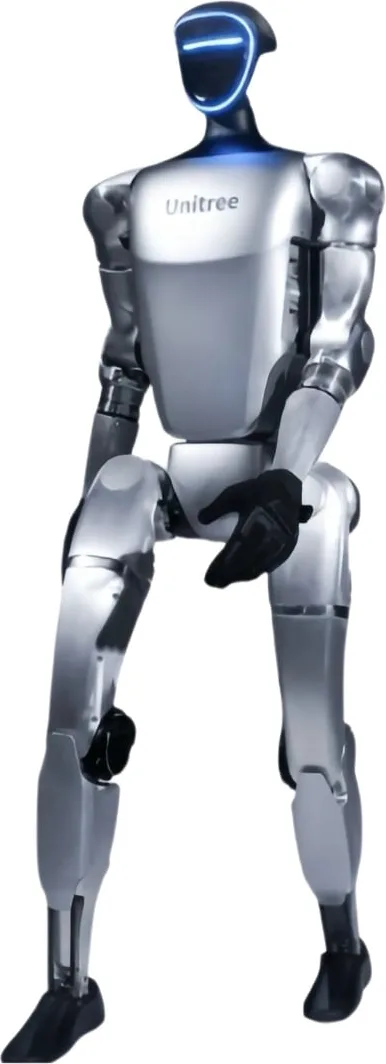
Unitree G1 range
A compact walking humanoid robot for demonstrations, teaching and AI research
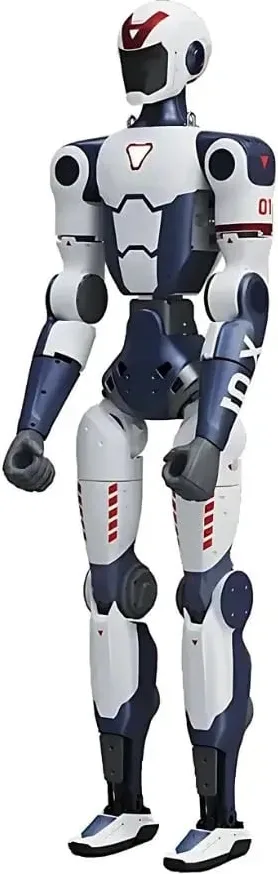
Unitree R1 range
A light, entry-level walking humanoid with voice and vision AI for classrooms and events
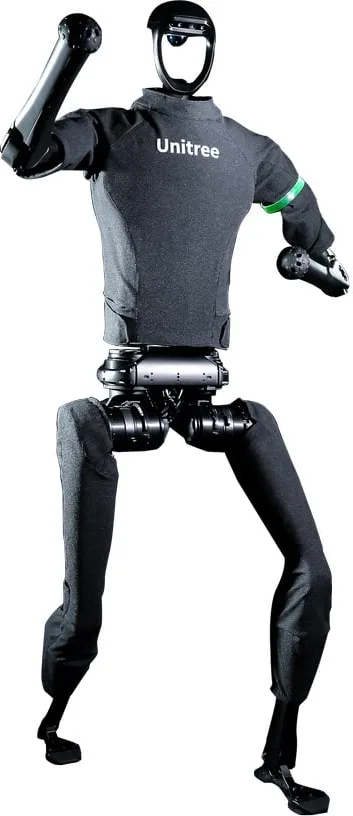
Unitree H1
A full-size, 1.8 m humanoid robot that can walk and run, for high-impact demonstrations and research
In this guide
Related categories
Related Guides
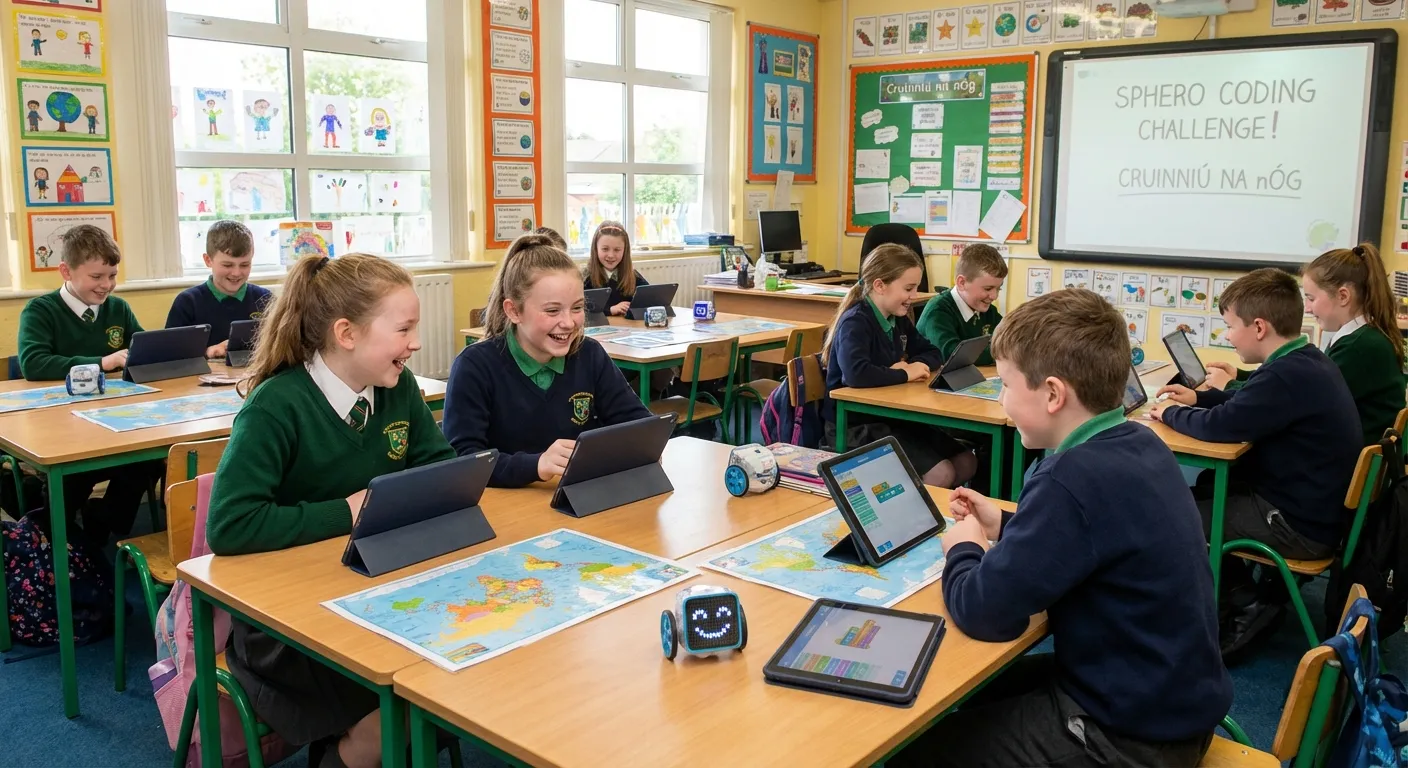
Robots for Irish Schools: A Practical Guide for 2026
Coding robots, humanoids, robot dogs and 3D printers for Irish primary and post-primary schools: what suits each age, how they link to Leaving Certificate Computer Science, and how to get them.
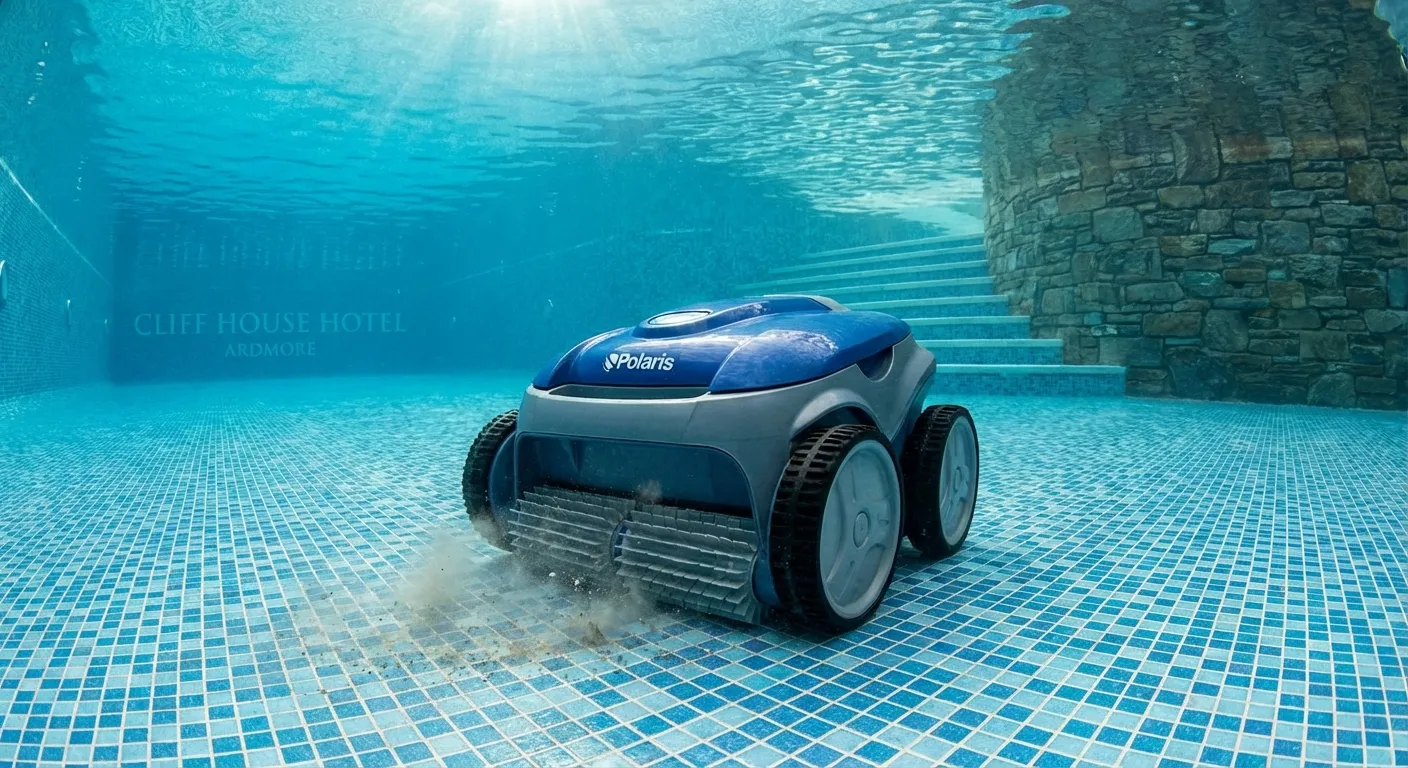
Pool Cleaning Robots in Ireland: A Practical Buyer's Guide
How robotic pool cleaners work, how to choose one for an Irish home, hotel or leisure pool, and how to buy or request a rental through Rentabot.
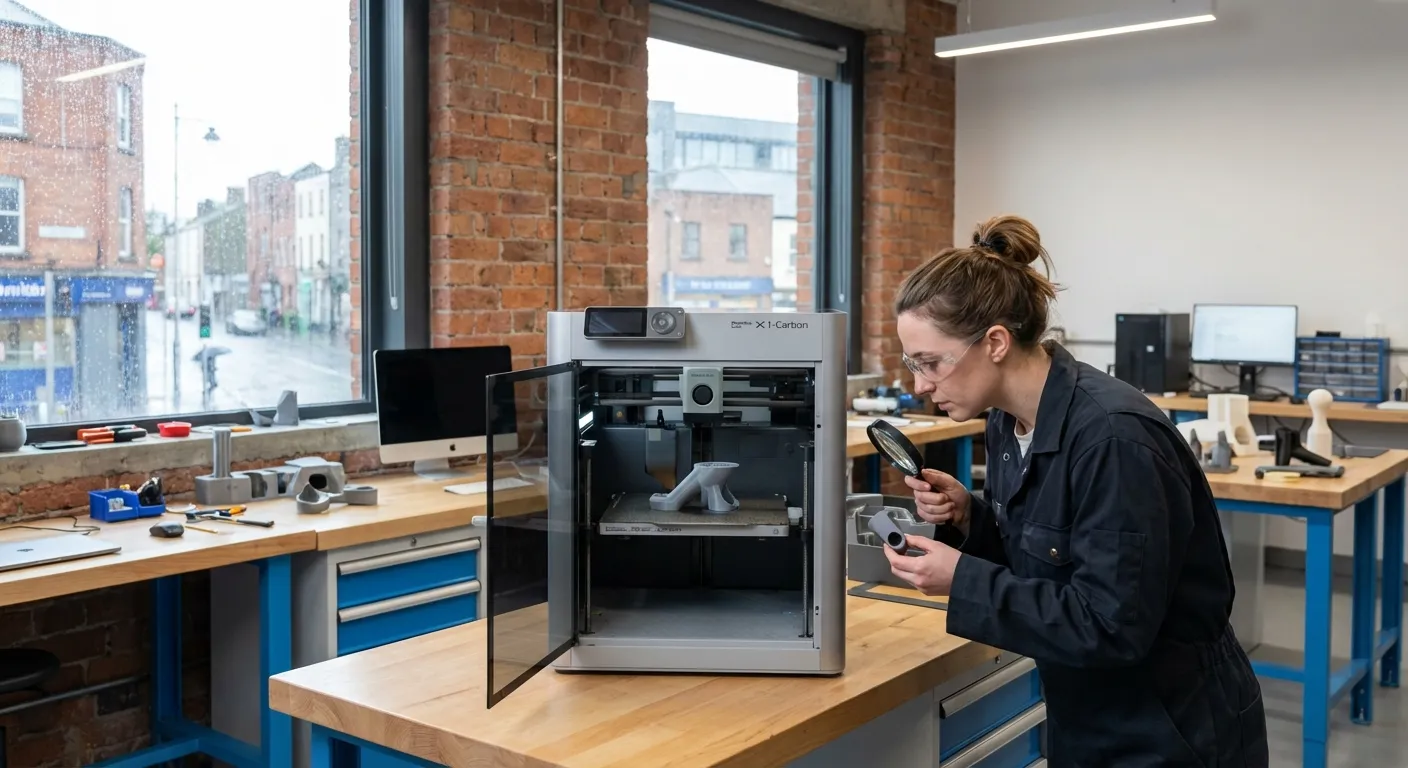
3D Printer Rental in Dublin: Is the Bambu Lab P1P Right for You?
When renting a 3D printer makes sense for an Irish business, school or event, what the Bambu Lab P1P can and cannot do, and when a newer printer or a print bureau is the better choice.